The Gloxinia Plant Advantage: Maximizing Home and Office Appeal and Wellness
1
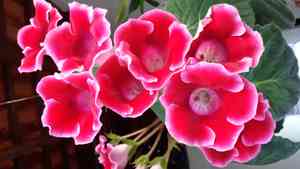
Gloxinia is recognized for its lovely, soft blossoms that illuminate any interior area.
2
It flourishes in medium light and moist environments, making it ideal for numerous homes.
3
Consistently caring for Gloxinia can enhance your psychological health and alleviate tension.
Why Opt for Gloxinia in Your Indoor Garden?
Visual Appeal
A primary reason individuals select Gloxinia is its visual charm. The plant's soft, velvety blossoms appear in hues of red, purple, pink, and white, frequently paired with dark green foliage that offers a lovely contrast. A single specimen can brighten an entire space, making it a favored choice for living areas, offices, and even bedrooms.
Air Purification
Similar to many indoor plants, Gloxinia can aid in purifying your home's air by absorbing toxins and releasing oxygen. While it might not be as potent as some other plants in this aspect, every contribution matters when enhancing indoor air quality. Having a few Gloxinia plants around can make your living environment healthier and more pleasant.
Proper Gloxinia Care Guidelines
Light Requirements
Gloxinia thrives in moderate, indirect illumination. Direct sunlight can be too harsh and may scorch its leaves, whereas insufficient light can hinder its growth and reduce blooming. The ideal location for Gloxinia is near a window with filtered light or beneath a grow light designed for indoor plants.
Watering and Humidity
Gloxinia prefers soil that remains consistently moist but not waterlogged. Many cultivators find that irrigating the plant once a week is adequate, though this can vary based on climate and season. Humidity is also vital for Gloxinia; placing the plant on a humidity tray or utilizing a room humidifier can help maintain the moisture levels it requires to flourish.
Common Problems and Their Solutions
Leaf Discoloration
If you observe yellowing foliage on your Gloxinia, it could indicate overwatering or inadequate drainage. Ensure the pot has sufficient drainage holes, and allow the soil to dry out slightly between waterings. Reducing humidity levels can also help alleviate this issue.
Pest Management
Gloxinia can occasionally fall victim to pests such as aphids, spider mites, and mealybugs. Regular inspection of the leaves and stems can help detect infestations early. Should you find pests, a gentle spray of insecticidal soap or neem oil can effectively control these common invaders.
Seasonal Care Advice for Gloxinia
Winter Care
During the colder months, Gloxinia may enter a dormant phase, producing fewer flowers. It's crucial to decrease watering during this period and keep the plant in a cooler, less sunny location. Maintaining a consistent, moderate humidity level can also help the plant navigate winter stress-free.
Spring and Summer Care
As temperatures rise, Gloxinia will begin to grow more vigorously. This is the opportune time to resume regular watering and potentially repot the plant if it has outgrown its container. Applying a balanced, water-soluble fertilizer during the growing season can also promote lush growth and abundant flowering.
Advantages of Keeping Gloxinia at Home
Mental Well-being
Caring for plants like Gloxinia can offer significant mental health benefits. The act of watering, pruning, and generally tending to the plant can be meditative and stress-reducing. Many individuals find a sense of accomplishment and joy in witnessing their Gloxinia thrive, making it a valuable addition to any home.
Learning Opportunities
For households with children, Gloxinia can serve as an educational tool. Kids can learn about plant biology, the importance of consistent care, and the lifecycle of plants. This can foster a sense of responsibility and curiosity in young minds, making Gloxinia not just a beautiful plant, but also an excellent teaching aid.



