The Wrinkleleaf goldenrod Plant Advantage: Maximizing Home and Office Appeal and Wellness
1
Wrinkleleaf goldenrod draws in many different pollinators, boosting your garden's natural balance.
2
Wrinkleleaf goldenrod is simple to cultivate, needing little care and flourishing in diverse ground types.
3
Wrinkleleaf goldenrod helps improve soil health by lessening erosion and increasing nutrient levels.
Attracting Pollinators
Why is Attracting Pollinators Important?
Pollinators are vital for your garden's health and the wider ecosystem. They aid in plant reproduction by moving pollen, which is crucial for seed and fruit development. By drawing in pollinators, you ensure your garden's vigor and output.
How Wrinkleleaf goldenrod Attracts Pollinators
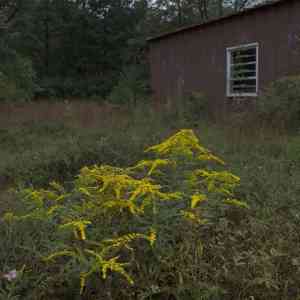
Wrinkleleaf goldenrod produces vivid yellow blooms highly appealing to pollinators like bees, butterflies, and hummingbirds. Its flowering season typically runs from late summer to early autumn, offering a key food source when other options are scarce. Adding Wrinkleleaf goldenrod to your garden can boost pollination, leading to more abundant and healthier plants.
Low Maintenance Requirements
Ideal Growing Conditions
Wrinkleleaf goldenrod is a robust plant that adapts to various soil types, including sandy, loamy, and clay. It thrives in both full sun and partial shade, making it versatile for different garden layouts. A key feature is its drought tolerance, requiring minimal watering once established.
Minimal Pruning and Care
Unlike some garden plants needing constant attention, Wrinkleleaf goldenrod is relatively low-maintenance. It doesn't require frequent pruning or fertilization and can flourish with basic care. This makes it an excellent choice for new gardeners or those seeking to reduce garden upkeep time.
Soil Improvement
Erosion Control
One of Wrinkleleaf goldenrod's lesser-known advantages is its capacity to prevent soil erosion. The plant's extensive root system helps stabilize the soil, lessening the impact of wind and water erosion. This makes it a valuable addition to slopes and areas prone to soil degradation.
Nutrient Enhancements
The roots of Wrinkleleaf goldenrod significantly contribute to improving soil health. As the plant decays, it adds organic matter to the soil, boosting its nutrient content. This process can enhance soil structure, increase its fertility, and promote the growth of other plants in your garden.
Ecological Contributions
Supporting Local Wildlife
Beyond attracting pollinators, Wrinkleleaf goldenrod supports diverse local wildlife. Its seeds provide food for birds, while its foliage offers shelter for small mammals and insects. By including Wrinkleleaf goldenrod in your garden, you create a mini-ecosystem that fosters biodiversity.
Promoting Native Plant Growth
Planting native species like Wrinkleleaf goldenrod can positively impact local ecosystems. It helps maintain natural balance and supports the growth of other native plants. Introducing non-native plants often disrupts local ecosystems, but Wrinkleleaf goldenrod works harmoniously with its natural surroundings.
Aesthetic Value
Visual Appeal
Wrinkleleaf goldenrod is not only practical but also beautiful. Its bright yellow flowers add a burst of color to any garden, creating a visually pleasing landscape. The plant's tall, upright growth habit can also add depth and structure to your garden design.
Seasonal Interest
Wrinkleleaf goldenrod offers seasonal appeal with its extended blooming period. While many plants fade by late summer, Wrinkleleaf goldenrod continues to provide color and attract pollinators well into autumn. This makes it an excellent choice for maintaining an engaging and dynamic garden throughout the seasons.
How to Incorporate Wrinkleleaf goldenrod in Your Garden
Planting Tips
To maximize Wrinkleleaf goldenrod's benefits, consider planting it in groups or clusters. This arrangement enhances its visual impact and boosts pollinator attraction. Ensure it's planted in well-draining soil and water it thoroughly initially to help establish strong roots.
Companion Planting
Wrinkleleaf goldenrod pairs well with other perennial plants such as asters, coneflowers, and native grasses. Combining these plants can create a cohesive and sustainable garden that supports a wide range of wildlife. Additionally, the variety in colors and textures can make your garden more aesthetically pleasing.



