The Seaside goldenrod Plant Advantage: Maximizing Home and Office Appeal and Wellness
1
Coastal goldenrod plays a crucial role in preventing shoreline erosion due to its extensive root networks.
2
This flora draws in numerous pollinators, thereby boosting regional biodiversity.
3
It needs little upkeep and flourishes even in infertile ground.
How Does Seaside goldenrod Aid in Preventing Coastal Erosion?
Extensive Root Systems
Seaside goldenrod is recognized for its widespread root network that penetrates deeply into the earth. This natural anchoring mechanism helps stabilize the sandy and loose ground commonly found in coastal regions. By binding the soil, it effectively lessens the impact of erosion, making it a natural option for shoreline preservation efforts.
Wind Resilience
Another notable characteristic of Seaside goldenrod is its capacity to endure powerful coastal winds. Its flexible stalks and robust roots offer a dual advantage: while the roots secure the soil, the stems can bend without breaking, ensuring the plant remains intact and functional even in harsh conditions.
Why Is Seaside goldenrod Crucial for Pollinators?
Attracting Bees and Butterflies
Seaside goldenrod acts as a beacon for various pollinators, including bees and butterflies. The plant blooms with bright yellow flowers rich in nectar, making it an appealing feeding spot. By supporting these pollinators, the plant indirectly aids in the pollination of other flora, strengthening the local ecosystem.
Extended Flowering Period
Seaside goldenrod boasts a prolonged blooming season, often extending from late summer into autumn. This is vital as it offers a late-season food source for pollinators. When other plants have finished flowering, the presence of Seaside goldenrod can be essential for sustaining local bee and butterfly populations.
What Are the Landscaping and Gardening Advantages?
Low Maintenance Needs
Seaside goldenrod requires very little upkeep, needing only occasional trimming. It is drought-tolerant and can flourish in less fertile soils, making it an ideal selection for gardeners seeking a tough, resilient plant.
Visual Appeal
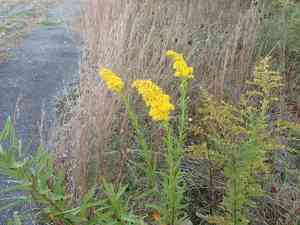
With its vibrant yellow blooms and tall, elegant stems, Seaside goldenrod adds undeniable aesthetic charm to gardens and landscapes. Its bright colors provide a burst of vibrancy that can enhance any garden scene, making it a favorite among landscape designers.
How Does Seaside goldenrod Improve Soil Quality?
Nutrient Enrichment
The deep roots of Seaside goldenrod help to aerate the soil, which can enhance its structure and fertility. Furthermore, the plant's natural decomposition returns organic matter to the soil, enriching it over time.
Tolerance to Poor Soil Conditions
Seaside goldenrod can thrive in nutrient-deficient soils where other plants might fail. This makes it an incredibly adaptable plant, useful for land restoration projects and areas where soil quality is a concern.
Environmental and Ecological Contributions
Supporting Wildlife
Seaside goldenrod provides habitat and sustenance for various animal species. Birds, small mammals, and insects can all benefit from either the plant itself or the micro-ecosystem it helps to establish.
Carbon Sequestration
Like many plants, Seaside goldenrod contributes to carbon sequestration, absorbing CO2 from the atmosphere and storing it within its tissues. This modestly aids in the reduction of greenhouse gases, making it a small but crucial player in combating climate change.



