The Yellow indiangrass Plant Advantage: Maximizing Home and Office Appeal and Wellness
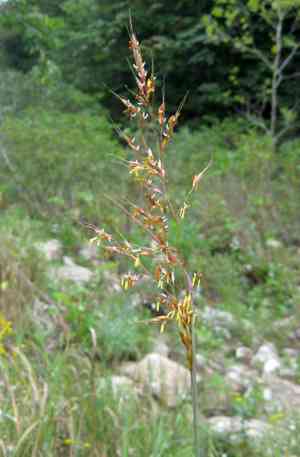
1
Yellow Indiangrass excels at preventing soil erosion because of its widespread root network.
2
This indigenous flora offers vital shelter and sustenance for indigenous fauna.
3
It's an easy-care plant that flourishes in diverse soil conditions and weather patterns.
Significance of Soil Erosion Prevention
Combating Soil Degradation
Soil erosion presents a major environmental issue, causing fertile land loss and contributing to water contamination. The extensive root system of Yellow indiangrass plays a crucial role in reducing soil erosion. Its roots form a dense network in the soil, anchoring it firmly, thereby preventing topsoil from being washed away during heavy rainfall.
Yellow indiangrass's Role in Soil Stability
Due to its deep root system, Yellow indiangrass can penetrate several feet into the ground. This not only stabilizes the surface layer but also enhances soil structure and water absorption. In areas prone to erosion, such as slopes and riverbanks, planting Yellow indiangrass can serve as a natural barrier against erosion, preserving soil health and promoting ecological balance.
Yellow indiangrass as a Wildlife Sanctuary
Providing a Home for Local Animals
Yellow indiangrass is more than just a plant; it's a vibrant ecosystem for various animal species. Birds, insects, and small mammals depend on this grass for shelter and sustenance. Its tall, dense growth offers protection from predators and harsh weather, making it an ideal habitat for nesting and foraging.
Supporting Pollinators and Biodiversity
Pollinators like bees and butterflies are drawn to Yellow indiangrass due to its flowers and seeds. This makes it a vital component in supporting pollinator populations and, consequently, maintaining biodiversity. By planting Yellow indiangrass, land managers are not only fostering a haven for local wildlife but also contributing to the broader ecological network.
Yellow indiangrass's Adaptability to Various Conditions
Thriving in Diverse Soil Types
Yellow indiangrass is remarkably adaptable and can flourish in a range of soil types, from sandy to clay. This versatility makes it an excellent option for restoration projects and natural landscaping, where soil conditions might be less than ideal.
Enduring Varied Climates
One of the key attributes of Yellow indiangrass is its capacity to withstand diverse climatic conditions. From dry, arid regions to areas with high humidity, Yellow indiangrass can adjust and thrive. Its resilience makes it a dependable plant for restoration projects and green spaces across different regions.
Is Yellow indiangrass Easy to Maintain?
Minimal Water Requirements
Once established, Yellow indiangrass needs minimal watering, making it an excellent choice for sustainable landscaping. Its deep root system allows it to access underground water sources, reducing the need for frequent irrigation.
Resistant to Pests and Diseases
Yellow indiangrass is naturally resistant to many common pests and diseases, which means fewer interventions and treatments are necessary. This low-maintenance feature is particularly beneficial for areas where sustainable practices are a priority.



