The Late Lilac Plant Advantage: Maximizing Home and Office Appeal and Wellness
1
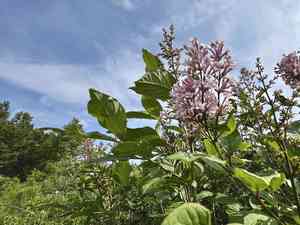
The Late Lilac is recognized for its lovely, aromatic blossoms that draw in beneficial insects.
2
This species requires minimal upkeep and flourishes in soil with good drainage.
3
It makes an excellent enhancement to any garden, providing both visual appeal and environmental advantages.
What Are the Aesthetic Benefits of Late Lilac?
Striking Visual Appeal
Late Lilac showcases abundant flower clusters, varying from soft pinks to deep purples, creating a visually impressive display in any garden. Its vibrant colors and elegant flower structure can complement diverse garden styles, making it a versatile choice for both traditional and modern landscapes.
Seasonal Beauty
A key feature of Late Lilac is its capacity to offer seasonal interest. Blooming from late spring to early summer, it fills the gap between other plants' flowering cycles, ensuring your garden stays colorful and vibrant throughout the season. Even post-bloom, its rich green foliage continues to add texture and depth.
How Does Late Lilac Support Local Wildlife?
Attracting Pollinators
The fragrant blossoms of Late Lilac act as a strong draw for pollinators, including bees, butterflies, and hummingbirds. By cultivating Late Lilac, you contribute to local ecosystem health by providing vital nectar sources for these creatures. This boosts your garden's biodiversity and supports broader ecological networks.
Providing Shelter
Beyond attracting pollinators, the dense foliage and branches of Late Lilac offer excellent refuge for small birds and insects. These animals can find protection from predators and harsh weather within the plant. By aiding local wildlife, Late Lilac plays a crucial role in maintaining a balanced and flourishing garden ecosystem.
What Makes Late Lilac a Low-Maintenance Plant?
Easy Growing Conditions
Late Lilac is known for its adaptability to various soil types, though it thrives best in well-drained soil. It needs minimal watering once established, making it ideal for gardeners aiming to reduce water usage. Additionally, Late Lilac is quite hardy and resistant to common pests and diseases, further lessening the need for constant oversight and intervention.
Minimal Pruning Requirements
Another significant advantage of Late Lilac is its low pruning needs. While some light trimming might be necessary to shape the plant and remove dead or damaged branches, it doesn't demand extensive upkeep. This makes Late Lilac a perfect option for busy gardeners who desire a beautiful, thriving garden without investing a lot of time and effort.
Why Is Late Lilac Ideal for Urban Gardens?
Compact Growth Habit
Late Lilac typically reaches a moderate height, making it well-suited for urban gardens where space might be limited. Its compact growth allows it to be incorporated into small garden beds, borders, or even container gardens. This adaptability ensures that even those with restricted outdoor space can enjoy the benefits of growing Late Lilac.
Enhancing Air Quality
Plants are recognized for their air-purifying properties, and Late Lilac is no exception. By adding this plant to your urban garden, you can help improve air quality by absorbing pollutants and releasing oxygen. This contributes to a healthier living environment, especially in densely populated urban areas where air pollution can be a concern.
How to Successfully Cultivate Late Lilac in Your Garden?
Planting Tips
When planting Late Lilac, select a spot that receives full to partial sunlight for optimal growth. Ensure the soil is well-drained and enriched with organic matter to supply necessary nutrients. Plant Late Lilac in spring or fall, allowing it to establish roots before extreme temperatures. Spacing plants 4 to 6 feet apart will provide ample room to grow and flourish.
Ongoing Care
Once established, Late Lilac requires minimal attention. Regular watering during dry periods, especially in the first year, will help the plant thrive. A light application of fertilizer in spring can encourage healthy growth and abundant flowers. Mulching around the plant's base can help retain moisture and suppress weeds, simplifying maintenance.



