The Rice-paper plant Plant Advantage: Maximizing Home and Office Appeal and Wellness
1
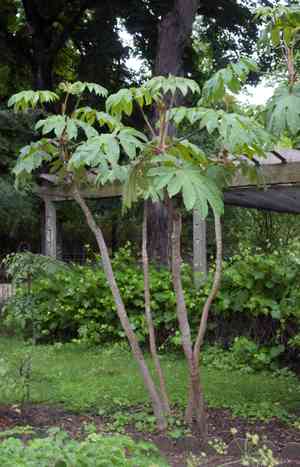
The Rice-paper plant is celebrated for its impressive leaves, bringing a tropical feel to any landscape.
2
Historically, this plant's fibers were utilized to produce delicate rice paper.
3
The Rice-paper plant requires minimal care and is largely unaffected by common pests and illnesses.
What are the Primary Aesthetic Advantages of Cultivating Rice-paper plant?
Exotic Appearance
A prominent characteristic of Rice-paper plant is its expansive, lobed foliage, which can reach up to 18 inches across. These leaves lend a tropical, abundant look to landscapes, making it a preferred choice for gardeners seeking an exotic aesthetic. The plant's structural presence can act as a focal point, grounding garden designs with dramatic flair.
Adaptable Landscaping
Rice-paper plant performs exceptionally well in diverse garden environments. Whether it's a modern garden, a tropical-themed yard, or a shaded spot requiring a burst of green, this plant adapts readily. Its impressive height, up to 15 feet, makes it perfect for generating visual interest and layering within multi-tiered garden layouts.
How Does Rice-paper plant Contribute to Environmental Sustainability?
Minimal Upkeep Requirements
A key attribute of Rice-paper plant is its low maintenance demands. This plant is drought-tolerant once established, making it an excellent option for water-efficient gardening. It thrives in various soil types and pH levels, lessening the need for frequent fertilization.
Pest and Disease Resistance
Rice-paper plant naturally resists many common garden pests and diseases, significantly decreasing the necessity for chemical interventions. This quality not only reduces the gardener's workload but also contributes to healthier, more sustainable garden ecosystems.
What are the Historical Applications of Rice-paper plant?
Crafting Rice Paper
Rice-paper plant holds historical importance in the realm of traditional crafts. The pith of this plant was historically utilized to produce rice paper, a material recognized for its delicate texture and strength. Though less commonly used today, this traditional application underscores the versatility and cultural value of Rice-paper plant.
Cultural Symbolism
In various Asian cultures, Rice-paper plant has carried symbolic meaning and featured prominently in local customs and ceremonies. Its adaptability and beauty have made it a plant of significance, often linked with prosperity and longevity.
How Can You Integrate Rice-paper plant into Your Garden?
Planting and Care Tips
To integrate Rice-paper plant into your garden, select a partially shaded location with well-draining soil. Planting in the spring or early summer ensures optimal growth. Water regularly during the initial establishment phase but reduce irrigation as the plant matures. Pruning old or damaged leaves can encourage new growth and maintain the plant's neat appearance.
Companion Plant Suggestions
Pair Rice-paper plant with plants that have similar moisture and light requirements to create a cohesive garden ecosystem. Ferns, hostas, and other shade-loving perennials make excellent companions. This combination not only enhances visual appeal but also fosters a balanced microenvironment in your garden.



