The Creeping thyme Plant Advantage: Maximizing Home and Office Appeal and Wellness
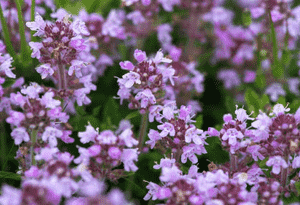
1
Creeping thyme draws in helpful pollinators such as bees and butterflies to your outdoor area.
2
Creeping thyme functions as a superb ground cover, stopping soil loss and inhibiting weed growth.
3
Recognized for its aromatic leaves, Creeping thyme can bring a pleasant scent to any garden.
Why is Creeping Thyme an Excellent Ground Cover?
Soil Stability Enhancement
Creeping thyme excels at preventing soil erosion. Its dense, spreading growth habit effectively anchors the soil, making it an ideal selection for sloped areas and other locations susceptible to erosion. By stabilizing the ground, Creeping thyme ensures your garden remains intact even during heavy rainfall.
Natural Weed Control
A key benefit of Creeping thyme is its inherent capacity to suppress weeds. Its thick foliage forms a canopy that blocks sunlight from reaching weed seeds, thereby inhibiting their germination. This translates to less weeding for you and a healthier, more pristine garden environment.
What Makes Creeping Thyme Appealing for Fragrance and Attractiveness?
Pleasant Scent
Creeping thyme is renowned for its delightful aroma. When its leaves are brushed or crushed, they release a pleasant fragrance that can enhance the sensory experience of your garden. This makes it a superb choice for pathways or borders where its scent can be easily enjoyed.
Attracts Beneficial Insects
Beyond its fragrance, Creeping thyme acts as a magnet for helpful insects such as bees and butterflies. These pollinators are crucial for garden health, assisting in the pollination of various plants and contributing to a flourishing ecosystem. Planting Creeping thyme can thus foster biodiversity and support local wildlife.
How Does Creeping Thyme Adapt to Various Growing Conditions?
Drought Resistance
Creeping thyme is highly adaptable and particularly noted for its ability to withstand drought. Once established, it needs minimal watering, making it an excellent option for xeriscaping or areas with water restrictions. This resilience to dry conditions ensures Creeping thyme remains lush and vibrant even during arid periods.
Soil Type Versatility
Another remarkable trait of Creeping thyme is its adaptability to diverse soil types. Whether your soil is sandy, loamy, or clay, Creeping thyme can flourish with minor adjustments. Its flexibility makes it a dependable choice for a wide range of gardening situations.
What Are the Ornamental and Landscape Design Applications of Creeping Thyme?
Creating Visual Appeal
With its attractive, low-growing form and tiny, vibrant blossoms, Creeping thyme adds visual interest to any garden. It can be used to create striking contrasts with taller plants or to soften the edges of garden borders and paths. Its rapid spreading also makes it an excellent choice for filling in gaps and achieving a cohesive garden design.
Effortless Landscaping
For those seeking low-maintenance landscaping solutions, Creeping thyme is an ideal fit. Its robust nature means it requires little care once established, and its spreading habit reduces the need for extensive planting and upkeep. This makes Creeping thyme not only a visually appealing option but also a practical one for busy gardeners.
How to Plant and Care for Creeping Thyme?
Planting Creeping Thyme
When planting Creeping thyme, it's crucial to select a location that receives full to partial sunlight. Prepare the soil by removing any weeds and loosening it to a depth of approximately six inches. Plant Creeping thyme seedlings or cuttings about 12 inches apart to allow space for spreading. Water the newly planted Creeping thyme thoroughly and keep the soil moist until the plants are established.
Ongoing Maintenance
Once established, Creeping thyme requires minimal upkeep. Watering needs are low, and it typically thrives with just natural rainfall. If necessary, you can trim back the foliage to maintain its shape or to encourage denser growth. Fertilization is generally not needed, but a light application of compost in the spring can help support vigorous growth.



