The Tipu tree Plant Advantage: Maximizing Home and Office Appeal and Wellness
1
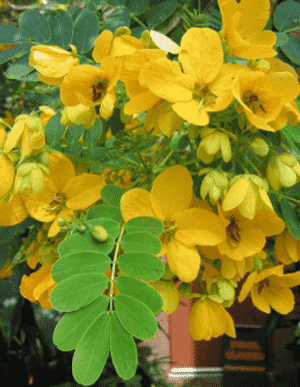
The Tipu tree offers superb shade and enhances the aesthetic appeal of outdoor spaces.
2
The Tipu tree enriches soil quality due to its ability to fix nitrogen.
3
The Tipu tree fosters local biodiversity by drawing in helpful insects and avian species.
Why the Tipu Tree is an Excellent Choice for Your Garden
Offers Extensive Shade
A key advantage of the Tipu tree is its capacity to cast considerable shade. Its broad, spreading crown is ideal for establishing cool, shaded zones in gardens, parks, and public areas. This characteristic is particularly valuable in warmer climates where shade offers much-needed relief from the sun's intensity.
Boosts Aesthetic Appeal
The Tipu tree is also celebrated for its beauty. With its vivid green leaves and seasonal yellow blossoms, it introduces a lovely burst of color to any landscape. Whether you're designing a private garden or a public park, the Tipu tree can provide a visually pleasing element that is sure to impress.
How the Tipu Tree Benefits the Environment
Enhances Soil Fertility
The Tipu tree possesses a remarkable ability to enrich soil fertility, thanks to its nitrogen-fixing capabilities. This process involves converting atmospheric nitrogen into a form readily absorbed by plants. By enriching the soil, the Tipu tree supports the growth of other flora and contributes to a healthier, more productive garden ecosystem.
Supports Local Wildlife
Another ecological advantage of the Tipu tree is its role in sustaining local wildlife. The tree attracts various beneficial insects like bees and butterflies, which are vital for pollination. Furthermore, the seeds and flowers of the Tipu tree provide a food source for birds, transforming your garden into a haven for diverse creatures.
How the Tipu Tree Contributes to Sustainable Urban Environments
Mitigates Urban Heat Island Effect
The Tipu tree's expansive canopy not only provides shade but also aids in reducing the urban heat island effect. Areas with abundant vegetation are cooler than their non-vegetated counterparts, due to the shade and transpiration process facilitated by trees like the Tipu. This cooling effect can lead to a more comfortable urban setting.
Improves Air Quality
The Tipu tree can also play a significant role in enhancing air quality in city areas. Trees absorb pollutants such as carbon dioxide and other airborne toxins, resulting in cleaner, healthier air for residents. By planting Tipu trees in urban settings, you can contribute to a better quality of life for everyone in the community.
Practical Applications of the Tipu Tree in Landscaping
Boundaries and Windbreaks
The Tipu tree is frequently utilized in landscaping for creating property lines and wind barriers. Its dense foliage acts as an effective shield against wind, helping to safeguard smaller plants and reduce soil erosion. Planting Tipu trees along property borders can define spaces while offering practical advantages.
Erosion Prevention
The extensive root system of the Tipu tree makes it an excellent choice for preventing soil erosion. Its roots help to stabilize the ground and prevent soil loss, which is particularly advantageous in sloped or hilly regions. By planting Tipu trees, you can protect your landscape from the damaging effects of soil erosion.
Caring for Your Tipu Tree
Planting and Watering Advice
Caring for the Tipu tree begins with proper planting and irrigation. It thrives in well-drained soil and requires consistent watering, especially during its initial years after planting. Once established, the Tipu tree becomes relatively drought-tolerant, making it a low-maintenance option.
Pruning and Upkeep
Regular pruning is crucial for maintaining the health and appearance of the Tipu tree. Pruning helps to remove dead or diseased branches and encourages the growth of new foliage. Additionally, routine maintenance tasks such as mulching can help retain soil moisture and protect the tree's root system.



