The Asiatic jasmine Plant Advantage: Maximizing Home and Office Appeal and Wellness
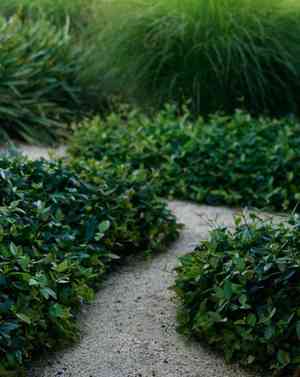
1
Asiatic jasmine flourishes across diverse weather conditions, offering adaptability for various garden environments.
2
This plant naturally inhibits weed growth, decreasing the need for garden upkeep.
3
Asiatic jasmine releases a delightful scent, enhancing the sensory experience of your outdoor area.
Key Advantages of Cultivating Asiatic Jasmine
Adaptability Across Diverse Climates
Regardless of whether your location is temperate or warmer, Asiatic jasmine proves to be a flexible garden addition. This plant flourishes in various climates, making it highly versatile for different garden environments. It tolerates heat well and can also withstand light frost, ensuring its vitality throughout the year.
Exceptional Ground Cover Qualities
A prominent characteristic of Asiatic jasmine is its capability to function as an effective ground cover. Its thick, spreading foliage forms a carpet-like appearance that not only enhances garden aesthetics but also plays a vital role in preventing soil erosion. Unlike other ground covers needing extensive care, Asiatic jasmine offers a low-maintenance option.
How Does Asiatic Jasmine Improve Visual Appeal?
Lush Green Foliage
Asiatic jasmine is well-known for its abundant, evergreen leaves, which maintain their vibrant green color all year. This makes it an excellent selection for keeping your garden looking fresh and lively, regardless of the season. The thick, glossy leaves add texture and depth, boosting the visual charm of any landscape.
Attractive Blooms
Beyond its rich foliage, Asiatic jasmine also produces small, star-shaped flowers that emit a pleasant scent. These blooms typically appear in warmer months, adding a touch of allure and a sensory experience to your garden. The flowers beautifully contrast with the green leaves, creating a striking visual impact.
Can Asiatic Jasmine Help Reduce Garden Upkeep?
Natural Weed Control
One of the less-recognized benefits of Asiatic jasmine is its capacity to act as a natural weed deterrent. Its dense foliage effectively covers the ground, leaving little space for weeds to take root. This translates to less time spent weeding and more time enjoying your garden.
Low Water Needs
Asiatic jasmine has relatively low water requirements once it has established itself. This makes it an excellent choice for gardeners aiming to conserve water. The plant is drought-tolerant and can thrive with minimal irrigation, especially once its root system is well-developed. This water efficiency also means lower utility bills and a more environmentally friendly garden.
What Are the Ecological Benefits of Asiatic Jasmine?
Erosion Prevention
In areas susceptible to soil erosion, Asiatic jasmine proves to be highly effective. Its extensive root system helps secure the soil, reducing the risk of erosion. This is particularly advantageous for sloped gardens or regions with loose, sandy soils.
Pollinator Habitat
The blooming aspect of Asiatic jasmine not only adds beauty but also supports local ecosystems. The plant's flowers attract various pollinators, including bees and butterflies. By cultivating Asiatic jasmine, you can contribute to the health and diversity of local pollinator populations, which are essential for biodiversity.
How to Plant and Care for Asiatic Jasmine?
Planting Advice
When planting Asiatic jasmine, ensure you select a spot with well-draining soil and partial to full sun exposure. Space the plants appropriately to allow for spreading. For ground cover purposes, planting them closer together will result in a denser foliage carpet.
Care Requirements
Asiatic jasmine needs minimal care once established. Regular trimming will help maintain its form and encourage new growth. Fertilization is usually not necessary, but a balanced, slow-release fertilizer can be used if the plant appears to be struggling. Monitor for pests and diseases, though Asiatic jasmine is generally quite hardy.



