The Eastern hemlock Plant Advantage: Maximizing Home and Office Appeal and Wellness
1
Eastern hemlock plays a crucial part in soil stabilization and erosion control.
2
The dense canopy of Eastern hemlock offers a natural sanctuary for diverse animal life.
3
Eastern hemlock trees aid in cleansing the air by taking in contaminants and emitting oxygen.
Why Select Eastern Hemlock for Your Outdoor Space?
Environmental Contribution
A key advantage of Eastern hemlock is its positive impact on ecological stability. Its deep root structure is crucial for soil stabilization, especially in areas prone to erosion, helping to maintain land integrity and prevent topsoil loss. Furthermore, these trees aid in sustaining groundwater levels by reducing surface runoff, which is vital for the ecosystem's water balance.
Support for Wildlife
The dense canopy and intricate branch network of Eastern hemlock offer a rich habitat for diverse wildlife. Numerous bird species, small mammals, and insects depend on these trees for refuge and sustenance. This plant fosters greater biodiversity by providing a safe haven and nourishment, promoting a balanced and healthy ecosystem. Its presence can attract beneficial wildlife, strengthening the overall ecological web.
How Does Eastern Hemlock Improve Air Quality?
Pollutant Removal
Eastern hemlock trees excel at filtering airborne pollutants, acting as powerful natural air purifiers. They absorb harmful substances like sulfur dioxide and nitrogen oxides through their needles, which helps lower the concentration of these contaminants in the atmosphere. By enhancing air quality, Eastern hemlock trees contribute to a healthier environment for all living things.
Oxygen Generation
Beyond absorbing pollutants, Eastern hemlock also plays a vital role in producing oxygen. The process of photosynthesis in these trees releases oxygen, an essential element for sustaining life. Planting and maintaining Eastern hemlock not only beautifies the landscape but also boosts the air's oxygen levels, contributing to improved respiratory health and a more balanced atmosphere.
What Are the Cultivation and Upkeep Needs of Eastern Hemlock?
Optimal Growing Conditions
For optimal growth, Eastern hemlock prefers cool, moist environments. It thrives best in well-drained, slightly acidic soils with a pH between 5.0 and 6.0. While it can endure partial shade, it flourishes in full sun and requires sufficient water, particularly during dry periods. Ensuring the correct conditions will encourage robust growth and the tree's longevity.
Trimming and Care
Regular pruning is crucial for maintaining the form and vitality of Eastern hemlock. Removing dead or diseased branches helps prevent pathogen spread and ensures adequate sunlight penetration and air circulation within the canopy. Annual fertilization with a balanced slow-release product can also promote vigorous growth. Monitoring for pests and applying necessary treatments can help preserve the tree's overall health.
Enhancing Your Garden with Eastern Hemlock
Visual Appeal
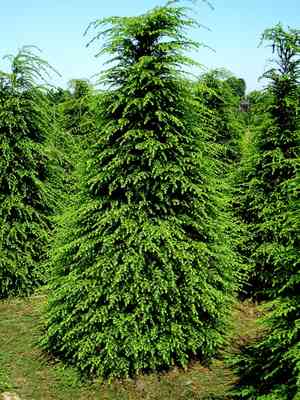
The elegant, conical shape and vibrant green foliage of Eastern hemlock make it a popular choice for decorative gardening. Its year-round color and texture provide visual interest, making it an excellent backdrop or focal point in landscape design. Additionally, it can serve as a windbreak or privacy screen, enhancing your garden's functionality and beauty.
Companion Planting
Eastern hemlock can be paired with various plants to create a balanced and harmonious garden. Shade-loving species such as ferns, rhododendrons, and hostas thrive beneath Eastern hemlock. The tree's nutrient-rich needles decompose and enrich the soil, benefiting companion plants and fostering a flourishing garden ecosystem. Thoughtful companion planting with Eastern hemlock can result in a resilient and visually stunning garden.



