The Carolina hemlock Plant Advantage: Maximizing Home and Office Appeal and Wellness
1
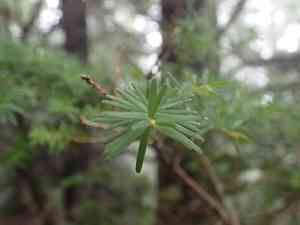
Carolina hemlock improves the visual appeal of outdoor spaces with its graceful leaves.
2
It offers crucial living space for diverse animal populations.
3
Carolina hemlock contributes significantly to preserving soil and preventing its loss.
What Makes Carolina hemlock Unique?
Aesthetic Appeal
The distinctive charm of Carolina hemlock stems from its graceful, evergreen leaves, which lend elegance to any setting. Its thick, green needles form a lush, year-round verdant canopy, making it a favored option in decorative horticulture. This plant's visual allure not only beautifies gardens but also offers a tranquil, soothing presence in both urban and rural environments.
Wildlife Habitat
A crucial ecological advantage of Carolina hemlock is its role in supporting animal life. Its dense foliage and sturdy branches provide a sanctuary for various bird species, mammals, and insects. Birds like nuthatches, chickadees, and finches often seek refuge and nesting sites within this plant. Additionally, smaller mammals such as squirrels and chipmunks find shelter and food in the seeds and needles of Carolina hemlock. By fostering biodiversity, Carolina hemlock contributes to a balanced and healthy ecosystem.
Environmental Contributions of Carolina hemlock
Erosion Control
The root system of Carolina hemlock is highly effective at stabilizing soil, making it a valuable asset for preventing erosion. In areas prone to soil loss, planting Carolina hemlock can minimize topsoil depletion by firmly anchoring it with its extensive roots. This function is especially vital on slopes and along riverbanks, where soil integrity is crucial for preventing landslides and maintaining water quality.
Climate Regulation
Another significant environmental benefit of Carolina hemlock is its capacity to regulate climate. Trees, including Carolina hemlock, function as natural air conditioners, cooling the air through transpiration. Their foliage absorbs carbon dioxide and releases oxygen, enhancing air quality. Furthermore, by sequestering carbon, Carolina hemlock helps lessen the impacts of climate change, making it an essential element in efforts to sustain a stable and healthy global climate.
Practical Uses of Carolina hemlock
Wood and Timber
The wood of Carolina hemlock is highly valued for its strength and durability, making it a preferred material in construction and woodworking. Artisans appreciate its fine grain, which allows for smooth finishes in furniture and cabinetry. Its resistance to decay also makes it suitable for outdoor structures like fencing, decking, and landscaping. Utilizing Carolina hemlock wood not only provides high-quality materials but also supports sustainable forestry practices.
Landscaping and Ornamental Uses
Beyond its natural beauty, Carolina hemlock is also widely employed in landscaping projects. Its dense foliage and consistent growth habit make it an excellent choice for hedges, windbreaks, and privacy screens. Garden designers often incorporate this plant into their layouts to create visual interest and structure. When planted in public parks and community gardens, Carolina hemlock enhances green spaces, offering both aesthetic appeal and environmental advantages.
How to Care for Carolina hemlock?
Soil and Watering Requirements
Carolina hemlock thrives best in well-drained soils that are slightly acidic to neutral. Adequate watering is crucial during the initial establishment phase, though mature plants show some drought tolerance. However, extended dry periods without additional watering can stress the plant, reducing its vigor and overall health. Regular mulching helps retain soil moisture and regulate temperature.
Pruning and Maintenance
Pruning is a vital aspect of caring for Carolina hemlock, especially if it's part of a formal hedge or landscape design. Light annual pruning helps maintain its shape and promotes healthy growth. Promptly remove dead or diseased branches to prevent pathogen spread. Pruning should occur in late winter or early spring before new growth begins.
Potential Challenges with Carolina hemlock
Pests and Diseases
Despite its hardiness, Carolina hemlock is vulnerable to certain pests and diseases. Common issues include adelgid infestations and fungal diseases like needle blight. Regular inspections and timely interventions, such as applying appropriate insecticides or fungicides, can alleviate these problems. Promoting good air circulation around the plant can also decrease the likelihood of disease.
Environmental Stress
Environmental stressors, such as extreme weather conditions and pollution, can negatively impact Carolina hemlock. Ensuring plants are appropriately situated in environments suited to their needs can help minimize stress. Protective measures, such as burlap wraps in harsh winters and sufficient watering during dry spells, can also support plant health and resilience.



