The Winged elm Plant Advantage: Maximizing Home and Office Appeal and Wellness
1
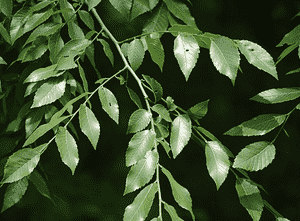
The winged elm is recognized by the unique cork-like growths on its branches.
2
This species offers considerable advantages in preventing soil erosion.
3
Winged elm yields robust timber, frequently utilized in crafting furniture.
What Makes Winged elm Distinctive?
Unique Physical Attributes
Winged elm is notable for its unusually winged twigs, a characteristic that aids in its easy identification. These cork-like growths not only enhance its visual appeal but also provide specific functional advantages, assisting the plant in adapting to its surroundings. Furthermore, the tree features a robust trunk and a wide canopy, making it a striking and resilient addition to any landscape.
Versatility and Growing Conditions
Winged elm flourishes in diverse environments, ranging from moist, fertile soils to more challenging terrains. Its capacity to adapt to various soil types and weather conditions makes it a flexible plant for both urban and rural settings. This robust nature means that Winged elm can be reliably planted in numerous locations, offering consistent benefits across varied landscapes.
Ecological Advantages of Winged elm
Erosion Prevention
A key benefit of Winged elm is its capacity to control soil erosion. Its extensive root system stabilizes the ground, preventing landslides and reducing sediment in water bodies. This positions Winged elm as an excellent option for areas prone to erosion, such as riverbanks and slopes.
Wildlife Sanctuary
Winged elm offers a rich habitat for various wildlife species. The plant provides sustenance and shelter to numerous birds, insects, and small mammals. Its dense foliage and durable wood offer superb nesting sites and protection from predators, fostering a thriving biodiverse environment.
Practical Applications of Winged elm
Wood and Lumber
Winged elm yields strong, durable wood highly prized in the timber industry. Its hardwood is frequently utilized in the production of furniture, flooring, and even tool handles. The wood's resistance to wear and tear makes it a favorite for artisans and builders, adding longevity to their creations.
Landscaping and Aesthetic Appeal
In landscaping, Winged elm serves both practical and visual purposes. Its distinctive appearance with winged twigs and lush foliage makes it an attractive choice for parks, gardens, and urban areas. Additionally, its resilience and adaptability allow landscapers to employ it in various settings, enhancing the beauty and ecological value of outdoor spaces.
Why Consider Cultivating Winged elm?
Environmental Contribution
Planting Winged elm can have a positive environmental impact. It aids in reducing carbon emissions by absorbing CO2, thereby contributing to cleaner air. Moreover, its role in preventing soil erosion and providing habitats supports a healthier ecosystem, making it a responsible choice for environmental stewardship.
Economic Value
The economic advantages of planting Winged elm are substantial. Its wood is valuable in the timber market, and the plant itself can be incorporated into various agricultural and landscaping projects. These applications can contribute to local economies, providing employment and resources for communities.



