The Siberian elm Plant Advantage: Maximizing Home and Office Appeal and Wellness
1
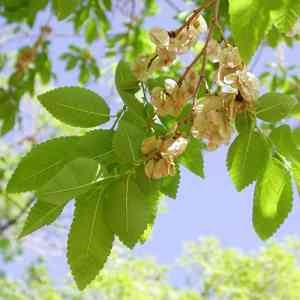
The Siberian elm exhibits strong resilience to severe environmental factors, rendering it a superb option for city green spaces.
2
Its timber finds application in building, crafting furniture, and manufacturing implements.
3
This tree offers considerable shade, making it perfect for creating windbreaks and as a shade-providing specimen.
Why Siberian Elm Excels in City Environments?
Robust Environmental Resilience
Siberian elm is noted for enduring harsh environmental conditions, including extreme temperatures, drought, and poor soil quality. This makes it an excellent option for urban areas often facing difficult growing circumstances. Its hardiness ensures it stays healthy and vibrant even in suboptimal settings.
Minimal Upkeep Requirements
A key benefit of Siberian elm is its low-maintenance character. It needs little watering and can flourish in various soil types without frequent fertilization or pruning. This ease of care makes it a popular choice for busy city dwellers who desire greenery without constant effort.
Practical Applications of Siberian Elm Timber
Construction and Furniture Making
The timber from Siberian elm is valued for its toughness and strength, making it suitable for building purposes. It's commonly utilized in structural frameworks, flooring, and wall panels. Additionally, its attractive grain and finish have made it a preferred material for crafting premium furniture, including tables, chairs, and cabinets.
Tools and Equipment Manufacturing
Beyond construction and furniture, Siberian elm wood is also employed in producing various tools and implements. Its durability and flexibility make it perfect for tool handles, agricultural devices, and sports gear. The wood's distinct qualities provide the necessary strength and longevity for such uses.
Enhancing Outdoor Areas with Siberian Elm
Effective Wind Barriers
In regions prone to strong winds, Siberian elm acts as an efficient windbreak. Its dense foliage and sturdy branches form a natural barrier that can decrease wind speed and safeguard other plants, crops, and structures. This makes it an invaluable addition to farms, gardens, and residential properties aiming to lessen wind damage.
Providing Ample Shade
Siberian elm is highly regarded for its capacity to offer significant shade. Its wide canopy provides much-needed relief from the sun, making it a favored choice for parks, playgrounds, and public spaces. The shade not only boosts comfort but also aids in lowering temperatures in urban heat islands, contributing to a cooler and more pleasant environment.
Ecological Advantages of Planting Siberian Elm
Supporting Biodiversity
Planting Siberian elm helps support local biodiversity. It offers habitat and food for various bird species, insects, and small mammals. The plant's flowers, seeds, and leaves attract pollinators and other wildlife, fostering a healthier and more diverse ecosystem.
Carbon Sequestration
Siberian elm contributes to mitigating climate change through carbon sequestration. As it grows, it absorbs carbon dioxide from the atmosphere, storing it in its biomass. This process helps reduce greenhouse gases and aids in efforts to combat global warming. Incorporating Siberian elm into urban and rural landscapes can, therefore, have a positive environmental impact.
How to Plant and Care for Siberian Elm
Optimal Planting Conditions
To ensure successful growth of Siberian elm, it's crucial to plant it in well-drained soil with sufficient sunlight. While it can tolerate various soil types, ensuring proper drainage will enhance its growth and health. Planting Siberian elm during spring or fall, when temperatures are moderate, will provide the best start for the plant.
Essential Care Advice
Siberian elm is relatively low-maintenance but benefits from occasional care. Watering young plants regularly helps establish strong roots. Mulching around the base can retain soil moisture and suppress weeds. Pruning dead or diseased branches promotes healthy growth and prevents potential issues. With these simple care practices, Siberian elm will thrive and provide long-term benefits.



