The Slippery elm Plant Advantage: Maximizing Home and Office Appeal and Wellness
1
Slippery elm is recognized for its calming effects on the digestive tract.
2
The inner bark of Slippery elm finds frequent application in diverse medicinal uses.
3
Slippery elm possesses mucilage, which aids in the plant's ability to hold onto water.
What Is Slippery elm?
Historical Background
For many generations, Slippery elm has been employed by diverse cultures for its medicinal qualities. Indigenous groups, in particular, have harnessed its healing capabilities, utilizing it in numerous ways, from addressing minor ailments to fostering overall wellness. This long-standing use has established Slippery elm as a timeless remedy.
Botanical Characteristics
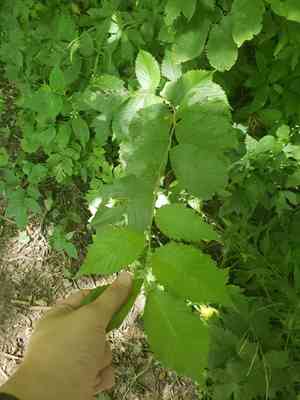
Slippery elm is a deciduous tree recognized for its distinct bark, which serves as the primary source of its beneficial attributes. The tree can reach heights of up to 20 meters and features rough, dark outer bark that shields the smooth, slippery inner bark, known for its mucilaginous texture. It thrives in moist, well-drained soils, predominantly in North America.
Health Benefits of Slippery elm
Supports Digestive Health
One of the most acclaimed advantages of Slippery elm is its capacity to bolster digestive well-being. The mucilage present in the inner bark can calm the lining of the stomach and intestines, offering relief from discomfort and promoting smoother digestion. This makes it a favored natural solution for issues like occasional heartburn, mild stomach upset, and supporting regularity.
Moisturizes and Soothes Skin
The mucilage content in Slippery elm also renders it a valuable component in skincare. Its calming, hydrating properties are ideal for soothing irritated or sensitive skin. When applied topically, Slippery elm can help moisturize and safeguard the skin, making it a beneficial addition to creams, lotions, and other skincare products formulated for sensitive or dry skin.
How Can You Use Slippery elm?
Herbal Teas and Supplements
Slippery elm is widely accessible in various forms, including teas, capsules, and powder. Herbal teas crafted from the inner bark can be a comforting, pleasant way to experience its benefits. When selecting supplements, it's crucial to choose high-quality products to ensure you're maximizing the advantages of this natural remedy.
Topical Applications
Beyond its use in teas and supplements, Slippery elm can be applied topically. The inner bark can be made into a paste or incorporated into formulations designed to soothe and protect the skin. This adaptability allows it to be integrated into a variety of wellness routines, addressing different needs and preferences.
Is Slippery elm Right for You?
Considerations for Use
While Slippery elm offers numerous advantages, it's vital to consider your individual health requirements and consult with a professional if you're uncertain about its suitability for you. As with any natural remedy, its application should be customized to your unique circumstances.
Choosing Quality Products
Ensure any Slippery elm products you select are of superior quality. Seek out reputable brands that utilize ethically sourced, organic ingredients to optimize the benefits and minimize any potential risks. Investigating the sourcing and processing methods can offer insight into the product's quality and effectiveness.



