The Ironweed Plant Advantage: Maximizing Home and Office Appeal and Wellness
1
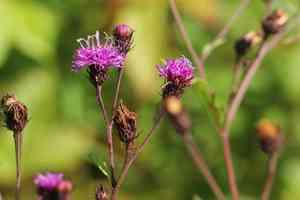
Ironweed produces impressive, elevated purple blossoms, enhancing any garden's aesthetic.
2
Ironweed draws in beneficial insects like bees and butterflies, supporting ecological balance.
3
Ironweed's root system is recognized for its ability to secure soil, mitigating erosion in wild areas.
What Makes Ironweed Special?
Visual Appeal
Ironweed is celebrated for its vivid purple blooms that appear in late summer and early autumn. These blossoms stand tall, offering a striking visual across the landscape. The plant's sturdy form and rich foliage create a captivating contrast, making it a prominent feature in any garden.
Supporting Pollinators
A key advantage of Ironweed is its function in aiding pollinators. Bees, butterflies, and other pollinating insects are drawn to its abundant nectar, making it a vital element of a healthy ecosystem. By cultivating Ironweed, you can establish a sanctuary for these crucial creatures, contributing to biodiversity and the well-being of nearby flora.
Environmental Benefits of Ironweed
Soil Stabilization
The deep, fibrous root system of Ironweed plays a significant role in stabilizing soil. By anchoring the soil, Ironweed helps prevent erosion, especially in areas prone to heavy rain or sloped terrain. This capacity to hold soil together makes it an excellent choice for natural landscaping and restoration efforts.
Improving Soil Health
Ironweed contributes to soil health through the organic matter it adds as it breaks down. Its roots also assist in aerating the soil, enhancing water penetration and root growth for other plants. These characteristics make Ironweed valuable for boosting the overall health and resilience of the soil in your garden or natural area.
How to Cultivate Ironweed in Your Garden
Optimal Growing Conditions
Ironweed thrives in full sun to partial shade, making it adaptable to various garden environments. It prefers moist, well-drained soil but can tolerate a range of soil types, including clay and sandy soils. When choosing a location, consider spots that receive ample sunlight for the best flowering outcomes.
Planting and Care Guidelines
To plant Ironweed, dig a hole twice the width of the root ball and equal in depth. Position the plant, backfill with soil, and water thoroughly. Once established, Ironweed requires minimal upkeep. It is drought-tolerant and resistant to most pests and diseases, making it a low-maintenance addition to your garden. Trim spent flowers to encourage more blooming and keep the plant neat.
Leveraging the Ecological Impact of Ironweed
Enhancing Local Biodiversity
By integrating Ironweed into your garden, you contribute to local biodiversity. Its flowers provide essential resources for pollinators, while its foliage offers habitat for various insects. This synergy supports a more robust and diverse ecosystem, promoting overall environmental well-being.
Contributing to Climate Resilience
Plants like Ironweed play a crucial role in building climate resilience. Their ability to stabilize soil and support pollinators makes them a vital component in ecological restoration projects. By planting Ironweed, you help create landscapes that can better withstand and adapt to climate change impacts, such as increased rainfall and changing weather patterns.



