The Hobble-Bush Plant Advantage: Maximizing Home and Office Appeal and Wellness
1
Hobble-Bush flourishes in damp, shaded areas, making it ideal for forest-like gardens.
2
Its fruit offers crucial sustenance for diverse animal populations.
3
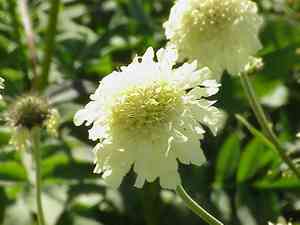
Hobble-Bush serves as an attractive decorative plant because of its appealing leaves and blossoms.
What Are the Main Advantages of Growing Hobble-Bush?
Visual Appeal
Hobble-Bush is celebrated for its striking foliage and lovely blooms. With its large, heart-shaped leaves that transform into a stunning reddish-purple in autumn, and its clusters of white flowers that appear in spring, this plant offers year-round visual delight. Its decorative value makes it an excellent choice for enhancing the beauty of wooded gardens and shaded spots.
Wildlife Attraction
A key benefit of cultivating Hobble-Bush is its capacity to draw in and sustain wildlife. The plant produces berries that serve as a vital food source for birds, such as thrushes and grouse. Furthermore, its dense foliage offers superb cover and nesting locations for small mammals and insects. By integrating Hobble-Bush into your garden, you can establish a miniature ecosystem that supports biodiversity and helps sustain local animal populations.
Soil Erosion Prevention
Given its preference for damp, shaded environments, Hobble-Bush is highly effective at stabilizing soil and preventing erosion. Its extensive root system helps bind the soil together, reducing the risk of landslides in sloped or hilly areas. This makes Hobble-Bush a valuable plant for preserving soil integrity and fostering the health of natural landscapes. Its presence can be particularly advantageous in areas prone to erosion, such as streambanks and forested regions.
How to Successfully Grow Hobble-Bush?
Ideal Planting Conditions
Hobble-Bush thrives in settings that mimic its natural habitat. It prefers partially to fully shaded areas with rich, well-drained soil. Ensuring a location that provides these conditions will contribute to the plant's robust growth and development. When planting Hobble-Bush, it's best to do so in the spring or fall, allowing the roots to become established before extreme weather conditions arrive.
Watering and Upkeep
While Hobble-Bush is relatively low-maintenance, consistent watering, especially during dry spells, is crucial to keep the soil moist. Applying mulch around the plant's base can help retain moisture and shield the roots from temperature fluctuations. Pruning is generally not required for Hobble-Bush, but removing any dead or diseased branches can improve its appearance and overall health. Regular observation and care will ensure that Hobble-Bush remains a vibrant and healthy addition to your garden.
What Are the Ecological Advantages of Hobble-Bush?
Supporting Pollinators
Hobble-Bush plays a vital role in aiding pollinators. Its flowers attract a variety of pollinating insects, including bees and butterflies, which are essential for the reproduction of many plant species. By providing a nectar source for these pollinators, Hobble-Bush helps maintain the health and diversity of local ecosystems, promoting overall ecological balance.
Improving Soil Health
Beyond erosion control, Hobble-Bush contributes to soil health in other significant ways. Its fallen leaves decompose and enrich the soil with organic matter, enhancing soil structure and fertility. This organic enrichment improves the soil's capacity to retain moisture and nutrients, creating a more favorable environment for other plants and organisms. By fostering healthier soil, Hobble-Bush indirectly supports the growth of a diverse range of plant species.



