The Cardboard palm Plant Advantage: Maximizing Home and Office Appeal and Wellness
1
The cardboard palm is a superb, easy-to-care-for plant, perfect for interior and exterior settings.
2
Its distinctive foliage makes it a remarkable feature in any garden or home design.
3
This palm flourishes across diverse weather conditions, boosting its adaptability.
What Makes Cardboard palm Stand Out?
Distinctive Foliage
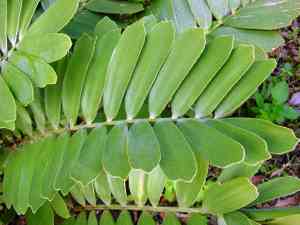
Cardboard palm is known for its unique, thick, and tough leaves that resemble cardboard, giving it its common name. This unique foliage is not only visually appealing but also very durable, making it resistant to common garden pests and diseases. The plant's leaves can add texture and an exotic feel to any garden or indoor space.
Low Maintenance Requirements
One of the most attractive features of Cardboard palm is its easy-care nature. Unlike many other plants that need constant attention, Cardboard palm can thrive with minimal effort. It tolerates various soil types and moisture levels, and it's especially well-suited for areas with bright, indirect light. This makes it an ideal choice for busy individuals or those without extensive gardening experience.
How to Care for Cardboard palm
Optimal Growing Conditions
Cardboard palm is adaptable and can adjust to various growing conditions, but for best growth, it's ideal to mimic its natural habitat. This plant prefers well-drained soil and can withstand periods of drought once established. While it flourishes in bright, indirect light, it can also tolerate partial shade, making it a flexible option for different areas of your home or garden.
Watering and Fertilization
When it comes to watering, Cardboard palm is quite forgiving. It's crucial to allow the soil to dry out between waterings to prevent root rot. Overwatering is one of the most common mistakes with this plant. As for fertilization, a balanced, slow-release fertilizer applied once or twice during the growing season will be sufficient. This ensures the plant receives necessary nutrients without the risk of over-fertilization, which can harm it.
Why Should You Add Cardboard palm to Your Plant Collection?
Aesthetic Appeal
The unique look of Cardboard palm makes it a striking plant, whether used as a focal point in your garden or as an indoor decoration. Its bold, architectural shape can add a touch of elegance and interest to any setting. The contrast of its thick, vibrant green leaves against other plants can create a visually engaging garden or interior display.
Environmental Benefits
Beyond its aesthetic qualities, Cardboard palm contributes positively to its surroundings. Like other plants, it helps purify the air by absorbing carbon dioxide and releasing oxygen. This makes it an excellent addition to indoor spaces, especially in urban environments where air quality can be a concern.
Common Challenges and How to Overcome Them
Pests and Diseases
Although Cardboard palm is quite resilient, it is not entirely immune to pests and diseases. Common issues include scale insects and root rot. It's vital to inspect the plant regularly and address any signs of pests promptly. Using a mild soap solution or neem oil can help manage minor infestations. Ensuring proper watering practices can prevent root rot.
Proper Repotting Techniques
Cardboard palm is a slow-growing plant and does not require frequent repotting. However, when it does outgrow its pot, it's important to repot it correctly. Choose a pot that is slightly larger than the current one and ensure it has good drainage. Use a well-draining soil mix to promote healthy root growth. Repotting should ideally be done during the growing season to minimize stress on the plant.
FAQ: Common Questions About Cardboard palm
Is Cardboard palm Safe for Pets?
It's important to note that Cardboard palm can be toxic if ingested by pets. If you have pets that like to chew on plants, it's best to keep this plant out of their reach or consider other non-toxic plant options. Always consult with a veterinarian if you suspect your pet has ingested any part of the plant.
Can Cardboard palm Be Grown Indoors?
Absolutely! Cardboard palm is an excellent choice for indoor gardening. Its low light and minimal water requirements make it well-suited for indoor environments. Place it near a window where it can receive bright, indirect light for the best growth. Its sturdy leaves also mean it is less likely to be damaged by indoor conditions compared to more delicate plants.



