Feng Shui for Common sassafras
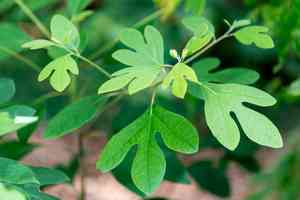
The common sassafras is observed to integrate seamlessly with an East-facing orientation. This is because its vibrant and adaptable qualities align effectively with the wood element linked to the East in Feng Shui, representing development and vitality. Nevertheless, individual perspectives may vary depending on personal encounters and understanding of Feng Shui tenets.
How Does Common Sassafras Influence Energies in Your Life?
Growth, Vitality, Prosperity
Common sassafras's Wood element signifies continuous development and rejuvenation, embodying robust life force. It metaphorically promotes affluence, mirroring life's inherent natural richness.
Movement, Energy, Momentum
The associated Qi, Zhen, supports this plant's significance as a potent force of motion and vigor, clearing stagnation and promoting consistent progress, vital for personal and career advancement.
What Makes Common Sassafras An Auspicious Choice In Feng Shui?
Prosperity
Common sassafras represents affluence in Fengshui due to its wood element, which encourages development and a flourishing setting.
Harmony
Common sassafras's Zhen Qi promotes unity and accord, enhancing relationships within your living area.
Balance
With its Wood element, the common sassafras aims to establish equilibrium in your residence or workplace, impacting well-being and output.
What Maintenance Tips Should Be Considered for Common Sassafras?
Placement
Improper positioning of common sassafras based on its Wood characteristic could potentially disturb energy equilibrium, leading to disagreements.
Overgrowth
Uncared for or overgrown common sassafras might represent neglect in Fengshui principles, impacting the positive Zhen Qi flow.
Health
Poor health of the common sassafras could indicate stagnant Qi, thus it's crucial to keep the plant in optimal condition.
Where to Position Common Sassafras for Feng Shui?
Where to Position Common Sassafras for Feng Shui?
For the common sassafras, it's considered to integrate well with an East-facing orientation. This is because its vibrant and adaptable qualities resonate with the wood element linked to East in Feng Shui, symbolizing growth and dynamism. Nevertheless, interpretations may vary based on individual experiences and understanding of Feng Shui tenets.



