Optimal Fertilizer for Growing Lady's mantle: What You Need to Know
1
Lady's mantle thrives with a balanced plant food, slightly richer in nitrogen for abundant leaves.
2
The optimal time to feed Lady's mantle is in spring, coinciding with the start of its vigorous growth.
3
Adhere strictly to fertilizer label directions to prevent excessive feeding and possible harm to the plant.
Why Provide Nutrients to Lady's mantle?
Understanding Nutritional Requirements
Supplying nutrients to Lady's mantle is crucial for ensuring it obtains the necessary elements for robust development. Every plant possesses distinct nutritional needs, and Lady's mantle is no different. Despite its relatively low-maintenance nature, providing appropriate nutrients can significantly enhance its overall vitality. The primary elements to concentrate on are nitrogen (N), phosphorus (P), and potassium (K), collectively known as NPK. Nitrogen promotes leaf growth, phosphorus aids root development and flowering, and potassium boosts general plant health and disease resistance.
Impact of Nutrient Supply on Health and Flowering
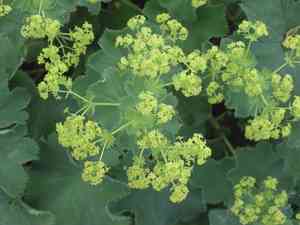
Providing nutrients not only enhances plant health but also considerably influences the flowering cycle of Lady's mantle. When adequately nourished, the plant produces vibrant, lush green foliage and a remarkable display of soft, frothy blossoms. Optimal nutrition directly translates into energy for the plant, resulting in more vigorous and aesthetically pleasing growth. The blooms of Lady's mantle are particularly charming, with their fluffy, chartreuse flowers adding a touch of elegance to any garden. By ensuring sufficient nutrition, the likelihood of enjoying a prolonged and more abundant flowering season increases.
When is the Optimal Time to Nourish Lady's mantle?
Seasonal Nutrient Application Advice
The best period to provide nutrients to Lady's mantle is in the spring. As the plant emerges from dormancy and commences its active growth phase, it utilizes nutrients more efficiently. Fertilizing in spring gives the plant a nutritional boost precisely when it needs it most, helping to kickstart healthy development. While spring is ideal, it's important to monitor the plant throughout the growing season and offer additional feeding if required. However, avoid applying nutrients too late in the season, especially in autumn, as this can stimulate new growth that may not have sufficient time to harden before winter.
Indicators for Nutrient Application
Observing your Lady's mantle can help you determine when it requires additional nutrients. Some common signs indicating a need for nourishment include yellowing leaves, stunted development, and a dull appearance. If the plant seems sluggish despite adequate watering and sunlight, this could signal a nutrient deficiency. Another indicator is reduced flowering; a well-fed Lady's mantle typically boasts abundant blooms, so if flowers are sparse, a nutrient boost might be necessary.
Selecting the Appropriate Nutrient Source for Lady's mantle
Organic vs. Synthetic Nutrient Sources
When choosing a nutrient source for Lady's mantle, you have the option of selecting between organic and synthetic types. Organic fertilizers, such as compost or well-rotted manure, offer a slow release of nutrients and enhance soil health over time. They are an excellent choice for gardeners aiming to maintain an eco-friendly garden. Conversely, synthetic fertilizers provide a fast-acting source of nutrients. These are particularly useful if the plant exhibits immediate signs of nutrient deficiency. However, it's crucial to adhere to application instructions closely to prevent over-fertilization.
Recommended NPK Proportions
For Lady's mantle, a balanced nutrient source with an NPK ratio of 10-10-10 or 20-20-20 is generally advised. This balanced ratio ensures the plant receives equal parts of nitrogen, phosphorus, and potassium. In certain instances, a nutrient source slightly higher in nitrogen (such as 12-6-6) can be beneficial, especially if the objective is to enhance foliage growth. Always read and follow the product's label instructions to determine the appropriate quantity and frequency for application.
Method for Applying Nutrients to Lady's mantle
Step-by-Step Nutrient Application Technique
Applying nutrients to Lady's mantle is straightforward if you follow a few simple steps. First, ensure the soil is moist before applying the nutrient sourceânever apply to dry soil as this can harm the plant roots. Next, distribute the nutrient source evenly around the base of the plant, avoiding direct contact with the foliage to prevent burning. Lightly work the nutrient source into the soil to ensure it reaches the root zone. Finally, water the plant thoroughly to help transport the nutrients down to the roots.
Frequency and Quantity of Nutrient Application
Typically, Lady's mantle benefits from one to two nutrient applications per growing season. If using a slow-release nutrient source, a single application in the spring may suffice. However, if you opt for a liquid or granular fast-release nutrient source, a second feeding in midsummer can support continuous growth. The amount varies based on the nutrient source type and the plant's size. For specific guidelines, refer to the product instructions. Using the correct amount is crucial as over-fertilizing can lead to nutrient burn and environmental harm.
Common Errors to Avoid When Nourishing Lady's mantle
Over-Nourishment Issues
Over-nourishment is a common error that can harm Lady's mantle. Excessive nutrients can burn the roots, leading to wilting, yellowing, and even plant demise. It's essential to adhere to the recommended quantities and resist the urge to apply 'just a little extra.' Symptoms of over-nourishment include a white nutrient crust on the soil surface and scorched leaf edges.
Incorrect Timing and Application Methods
Timing and method play crucial roles in successful nutrient application. Avoid applying nutrients during the hottest part of the day or in drought-stressed conditions, as this can increase the risk of root burn. Additionally, never apply nutrients late in the fall, as it encourages new growth that may be damaged by frost. Always water the plant after applying nutrients to effectively integrate them into the soil. Proper timing and method ensure that Lady's mantle gains the maximum benefit from the nutrient source without adverse effects.



