Optimal Fertilizer for Growing Poppy anemone: What You Need to Know
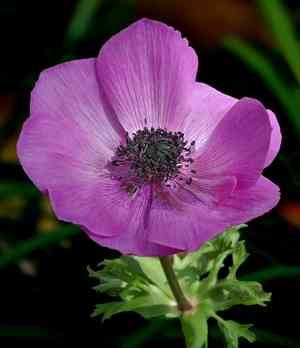
1
Fertilize Poppy anemone during springtime, aligning with its primary growth period.
2
Poppy anemone thrives with slow-release granular fertilizers, ensuring continuous nutrient supply.
3
Refrain from excessive fertilization of Poppy anemone to prevent root damage and impaired growth and bloom.
Understanding Poppy anemone Nutritional Needs
Essential Nutrients for Poppy anemone
For optimal growth and vibrant blooms in your Poppy anemone, comprehending their vital nutritional requirements is key. These captivating flowering plants flourish with a balanced intake of the three primary macronutrients: nitrogen (N), phosphorus (P), and potassium (K). Nitrogen promotes healthy foliage, phosphorus supports strong root and flower development, and potassium ensures overall plant vigor and disease resistance. Additionally, Poppy anemone may need trace amounts of micronutrients like magnesium, calcium, and iron to complete its nutritional profile.
Signs of Nutrient Deficiency in Poppy anemone
Observing your Poppy anemone can reveal clues about its nutrient status. Yellowing leaves, poor blooming, and stunted development often signal nutrient deficiencies. For instance, if leaves yellow but veins stay green, it might indicate an iron deficiency. A lack of phosphorus could lead to reduced flowering and dark, purplish leaves. Promptly addressing these issues with appropriate fertilizer will help your plants regain their health and beauty.
Choosing the Right Fertilizer for Poppy anemone
Types of Fertilizers Suitable for Poppy anemone
When selecting the appropriate fertilizer for your Poppy anemone, several options are available. Slow-release granular fertilizers are a popular choice, providing a consistent nutrient supply over an extended period. Liquid fertilizers are another excellent option, especially during peak growth, as plants readily absorb them through their roots. Compost and well-rotted manure are also effective natural fertilizers that enhance soil texture while delivering essential nutrients.
Organic vs. Synthetic Fertilizers: What's Best for Poppy anemone?
Both organic and synthetic fertilizers offer benefits for feeding Poppy anemone. Organic fertilizers, such as compost or bone meal, enrich the soil's organic matter and improve its long-term health, which aids plant growth. Synthetic fertilizers, conversely, deliver an immediate nutrient boost that can be precisely tailored to the plant's requirements. While synthetic options are fast-acting, they may not enhance soil structure. Ideally, combining both types for a balanced approach provides the best results.
When to Fertilize Poppy anemone
Best Times of Year for Fertilizing Poppy anemone
Timing is crucial when fertilizing Poppy anemone. Early spring, as new growth emerges, is the ideal time to begin fertilization. This timing aligns with the plant's natural growth cycle, ensuring it has the necessary nutrients to support robust development and flowering. If using a slow-release fertilizer, a single spring application may suffice, while liquid fertilizers might require more frequent, diluted applications throughout the growing season.
Frequency of Fertilization for Optimal Growth
For Poppy anemone, the general recommendation is to fertilize approximately every 4-6 weeks during the growing season. However, this can vary based on the fertilizer type. Slow-release fertilizers might only need one spring application, whereas liquid fertilizers applied at lower concentrations can be used more often. Always adhere to package instructions to prevent over-fertilizing, which can harm the plant.
How to Apply Fertilizer to Poppy anemone
Step-by-Step Guide to Fertilizing Poppy anemone
Here's a straightforward guide to fertilizing your Poppy anemone:Select the appropriate fertilizer based on your preference (granular, liquid, organic, or synthetic).For granular fertilizer, spread it evenly around the plant's base at the recommended rate per package instructions.Gently work the granules into the topsoil layer for better absorption.Water the area thoroughly after application to help dissolve and distribute the nutrients.For liquid fertilizer, mix it according to instructions and apply it directly to the soil around the plant, avoiding foliage to prevent burn.Repeat the process as needed, following the recommended schedule for your fertilizer type.
Common Mistakes to Avoid in Fertilizing Poppy anemone
To prevent common errors when fertilizing Poppy anemone, consider these tips:Avoid over-fertilizing: Excessive fertilizer can cause nutrient burn and negatively impact plant health.Use balanced fertilizers: Ensure your fertilizer contains all essential nutrients (N-P-K) for balanced growth.Pay attention to the weather: Avoid fertilizing just before heavy rain, as it can wash away nutrients before the plant absorbs them.Water properly: Always water the soil after fertilization to help nutrients reach the roots, but do not overwater, which can lead to root rot.



