Optimal Fertilizer for Growing Garden snapdragon: What You Need to Know
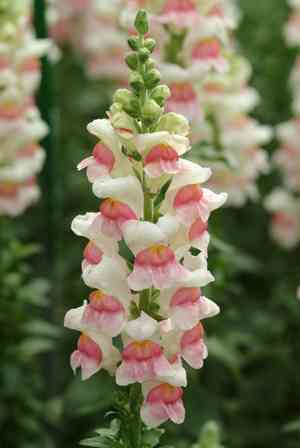
1
For peak performance, consistently apply a balanced fertilizer such as 10-10-10 or 20-20-20.
2
Moisten the substrate prior to applying fertilizer to avoid root damage.
3
Begin your fertilization regimen in spring to encourage abundant flowering.
Understanding Fertilizer Needs of Garden snapdragon
The Importance of Proper Nutrition
For Garden snapdragon plants to flourish, they require a balanced nutrient supply including nitrogen (N), phosphorus (P), and potassium (K). Nitrogen supports vigorous leaf development, while phosphorus aids root growth and blooming. Potassium boosts overall vitality and disease resistance. Without these elements, snapdragons struggle to reach their full potential, resulting in stunted development and fewer flowers.
Identifying Signs of Nutrient Deficiency
A nutrient deficit in Garden snapdragon appears in various forms. Yellowing leaves often signal a lack of nitrogen, whereas poor flowering can indicate insufficient phosphorus. Potassium deficiency typically manifests as browning or curling leaf margins. Spotting these indicators early enables prompt intervention and prevents lasting damage.
Choosing the Right Fertilizer for Garden snapdragon
Organic vs. Synthetic Fertilizers
When nourishing Garden snapdragons, you have two primary choices: organic or synthetic fertilizers. Organic options, like compost and manure, slowly release nutrients and enhance soil over time, though they might not offer an immediate nutrient surge. Conversely, synthetic fertilizers provide precise nutrient ratios and quick outcomes, but can degrade soil if overused. Each type has merits and drawbacks, so weigh your garden's specific requirements before deciding.
Key Nutrients Required
Garden snapdragons need a balanced fertilizer, typically with a 10-10-10 or 20-20-20 ratio. These figures denote the percentage of nitrogen, phosphorus, and potassium, respectively. Beyond these main nutrients, snapdragons also benefit from secondary nutrients and trace elements such as calcium, magnesium, and iron. Ensuring a comprehensive nutrient intake promotes strong growth and an extended flowering period.
Optimal Fertilization Techniques
When to Fertilize Garden snapdragon
The ideal time to begin fertilizing your Garden snapdragon is in early spring, just as new growth emerges. This timing supplies vital nutrients during the initial development phase, preparing for a healthy blooming season. Continue fertilizing every 4-6 weeks throughout the active growth period to maintain nutrient levels and support continuous flowering.
How to Apply Fertilizer
To effectively apply fertilizer, follow a few simple steps. First, moisten the soil around your Garden snapdragon plants to ensure hydration and prevent fertilizer burn. Next, spread the recommended amount of fertilizer evenly around the plant bases. Gently mix it into the soil with a hand rake or your fingers, being careful not to disturb the roots. Finally, water again to help nutrients permeate the soil and reach the plant roots.
Maintaining Soil Health for Garden snapdragon
Monitoring Soil pH
Garden snapdragons prefer slightly acidic to neutral soil, with a pH range of 6.0 to 7.0. Regular soil pH testing will help you make necessary adjustments. If the soil is too acidic, adding lime can increase the pH, while sulfur can lower it if the soil is too alkaline. Maintaining the correct pH level ensures your plants can efficiently absorb available nutrients.
Enhancing Soil Structure
Good soil structure is vital for Garden snapdragons' health. Well-draining soil prevents waterlogging, which can cause root rot, while still retaining sufficient moisture for plant needs. Improve your soil's structure by incorporating organic matter like compost or well-rotted manure. These additions enhance aeration, water retention, and nutrient availability, creating an ideal environment for your snapdragons to flourish.
Tracing the Impact of Seasonal Changes
Fertilizing During Active Growth
During the active growth period, typically from spring to early fall, Garden snapdragons are prime for nutrient absorption. Consistent fertilization during this time boosts growth and flower production. However, be cautious not to over-fertilize, as this can result in abundant foliage at the expense of blooms.
Adjusting Fertilization in Dormant Phases
As the growing season concludes and Garden snapdragons enter dormancy, generally in late fall to winter, reduce the frequency and quantity of fertilization. Excessive fertilization during dormancy can lead to salt accumulation in the soil and harm the plants. A light application in late fall can be beneficial to ready the soil for the subsequent spring, but always prioritize soil health and plant requirements over routine.



