Optimal Fertilizer for Growing Giant reed: What You Need to Know
1
An optimal soil pH range of 6.5 to 7.5, abundant in nutrients, is perfect for Giant reed.
2
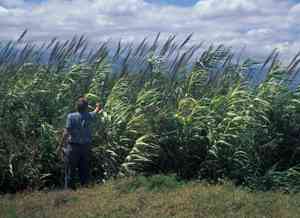
Giant reed has the potential to reach heights of up to 6 meters (20 feet) when cultivated in ideal environments.
3
Before planting, enriching the soil with compost can greatly enhance the enduring vitality and development of your Giant reed.
Deciphering the Nutritional Requirements of Giant Reed
Crucial Nutrients for Giant Reed
For your Giant reed to flourish, understanding its nutrient demands is vital. The primary elements are nitrogen (N), phosphorus (P), and potassium (K). Nitrogen promotes vigorous leaf and stem development, phosphorus supports root and bloom formation, and potassium boosts overall plant health, enhancing resistance to diseases.
Indicators of Nutrient Scarcity in Giant Reed
Early detection of nutrient deficiencies can protect your Giant reed from permanent harm. Typical signs include yellowing foliage (pointing to nitrogen insufficiency), poor root growth and weak stalks (evidence of phosphorus deficiency), and browning leaf edges (a sign of potassium shortage). Regular plant inspections help in identifying and resolving these issues promptly.
Selecting the Appropriate Fertilizer for Giant Reed
Fertilizer Types Suitable for Giant Reed
Various fertilizer types are available, and choosing the correct one is crucial for your Giant reed's vitality. Balanced fertilizers with an equal N-P-K ratio (e.g., 10-10-10) are commonly employed. Slow-release granular fertilizers are also beneficial, offering a steady supply of nutrients over time. Liquid fertilizers, applied during the growing season, can provide a rapid nutrient boost when necessary.
Organic vs. Synthetic Fertilizers: Best Choice for Giant Reed?
The decision between organic and synthetic fertilizers depends on your gardening methods and environmental preferences. Organic options, like compost and manure, are sustainable and improve soil quality over time. Synthetic fertilizers, conversely, offer immediate nutrient availability and are simple to use. Many gardeners find that a combination of both yields superior outcomes.
Fertilization Frequency for Giant Reed
Fertilizing During Active Growth
The ideal period to fertilize Giant reed is during its spring growth season. This timing aligns with the plant's peak developmental phase. Applying fertilizer every 4-6 weeks during this interval ensures the plant has continuous access to essential nutrients.
Winter Care and Fertilization Needs
During the colder winter months, Giant reed enters a dormant state and requires less fertilization. It's advisable to decrease or cease fertilizing in winter to prevent nutrient accumulation and root damage. In areas where Giant reed remains somewhat active, you might consider a significantly reduced fertilizer dose only if absolutely necessary.
Applying Fertilizer to Giant Reed
Step-by-step Guide to Fertilizing Giant Reed
Measure the circumference around the plant's base to determine the necessary fertilizer quantity.Select a balanced or slow-release fertilizer based on the plant's current requirements.Distribute the fertilizer evenly around the base, keeping it several inches from the stem to prevent burning.Thoroughly water the area after fertilizer application to facilitate nutrient absorption into the soil.Observe the plant's reaction and modify the fertilization schedule as required.
Common Fertilizing Errors to Avoid with Giant Reed
Excessive fertilization: This can lead to nutrient burn and harm your Giant reed; adhere to recommended amounts.Applying fertilizer too close to the stem: Always maintain a clearance zone to avert stem burns.Ignoring soil pH: Regularly test soil pH and adjust it to remain within the 6.5-7.5 range.Irregular watering: Fertilizer effectiveness is reduced without consistent moisture.



