Optimal Fertilizer for Growing Butterfly weed: What You Need to Know
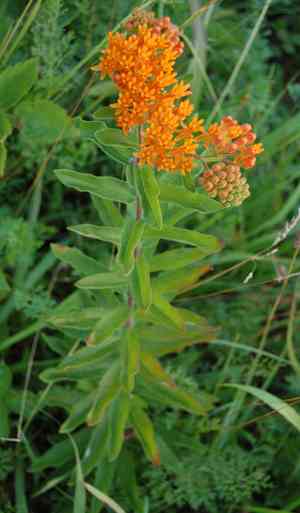
1
Butterfly weed flourishes in soil that drains effectively and receives direct sunlight for a minimum of 6 hours daily.
2
Applying too much fertilizer to Butterfly weed may result in abundant leaf development, reducing flower production.
3
The best time to fertilize Butterfly weed is in spring, aligning with its period of vigorous development.
Grasping Butterfly Weed's Nutrient Requirements
The Significance of Nutrients for Butterfly Weed Vitality
Nutrients are crucial for the well-being and development of Butterfly weed. Essential elements like nitrogen (N), phosphorus (P), and potassium (K) are vital for various plant processes. Nitrogen promotes abundant, green foliage, phosphorus aids root growth and bloom production, and potassium enhances the plant's disease resistance. Supplying these nutrients to your Butterfly weed can lead to more vivid flowers and vigorous growth.
Recognizing Symptoms of Nutrient Deficiency
It's important to identify when your Butterfly weed lacks vital nutrients. Common indicators include yellowing leaves, especially older ones, which may signal a nitrogen deficit. Stunted development and poor flowering could suggest insufficient phosphorus, while browning leaf edges might indicate a potassium shortage. Promptly identifying and addressing these issues helps maintain your plant's health and appearance.
Selecting the Appropriate Fertilizer for Butterfly Weed
Organic Versus Synthetic Fertilizers: Which is Optimal?
When choosing fertilizers for Butterfly weed, understanding the distinction between organic and synthetic options is key. Organic fertilizers, such as compost or aged manure, release nutrients gradually and enhance soil quality over time. They are ideal for those who prefer a natural gardening approach. Synthetic fertilizers, conversely, offer an immediate nutrient boost, though they may not contribute to long-term soil health. For Butterfly weed, organic choices are highly recommended as they align well with the plant's preference for lean soil and slow nutrient absorption.
Recommended N-P-K Ratio for Butterfly Weed
Butterfly weed doesn't demand heavy fertilization; a balanced fertilizer with an N-P-K ratio of 10-10-10 or 5-10-5 is often adequate. This ensures the plant receives a balanced supply of nitrogen, phosphorus, and potassium without over-saturating the soil. Organic fertilizers like bone meal or fish emulsion can provide an excellent natural source of these nutrients.
Observing Butterfly Weed Post-Fertilization
Evaluating Plant Response and Development
After fertilizing, closely observe your Butterfly weed to assess its reaction. Look for signs of healthy new growth, such as vibrant leaves and developing flowers. Monitoring these responses helps determine if the fertilizer is supplying the necessary nutrients. Conversely, if you notice any adverse reactions like leaf burn or wilting, these could indicate over-fertilization or incorrect application methods.
Modifying Fertilization Practices Based on Observations
Based on the observed plant response, you might need to modify your fertilization routine. If the plant appears overly lush with limited blooming, consider reducing nitrogen-rich inputs and focusing on phosphorus to encourage flower production. Conversely, if growth seems inhibited, a balanced fertilizer might be necessary. Regularly re-evaluating and fine-tuning your approach ensures your Butterfly weed remains healthy and continues to flourish.



