Optimal Fertilizer for Growing Leatherleaf mahonia: What You Need to Know
1
Leatherleaf mahonia benefits most from fertilizing in early spring.
2
Choose a balanced plant food, such as 10-10-10, for vital nourishment.
3
Excessive fertilization can damage your plant, causing leaf discoloration and stunted development.
Grasping the Fertilization Requirements of Leatherleaf Mahonia
Why Nourishment is Essential for Leatherleaf Mahonia
Providing nutrients is crucial for Leatherleaf mahonia, promoting strong development and vivid foliage. This evergreen shrub, recognized for its striking yellow blooms and holly-like leaves, greatly benefits from a consistent nutrient supply. Fertilizers enrich the soil with vital elements, aiding the plant in developing robust roots and boosting its resistance to ailments and pests. Without adequate feeding, Leatherleaf mahonia might display stunted development, yellowing leaves, and a general lack of vitality.
Key Nutrients for Leatherleaf Mahonia
Leatherleaf mahonia needs a balanced blend of major and minor nutrients for optimal growth. Important nutrients include nitrogen (N), phosphorus (P), and potassium (K). Nitrogen supports lush, green leaves; phosphorus is critical for root formation and flower production, and potassium enhances overall plant health and resilience. Furthermore, micronutrients like iron, magnesium, and manganese play a lesser but vital role in the plant's metabolic processes and chlorophyll creation.
Selecting the Appropriate Fertilizer for Leatherleaf Mahonia
Fertilizer Types Suitable for Leatherleaf Mahonia
When choosing a fertilizer for Leatherleaf mahonia, a balanced formula such as 10-10-10 (N-P-K ratio) is highly recommended. This type of fertilizer delivers equal proportions of the essential nutrients. Slow-release granular fertilizers are especially advantageous as they ensure a steady nutrient supply over time, minimizing the risk of excessive fertilization. Liquid fertilizers can be a good option for a rapid nutrient boost but require more frequent application.
Organic vs. Synthetic Fertilizers: Which is Preferable?
Both organic and synthetic fertilizers offer benefits. Organic fertilizers, like compost or well-rotted manure, improve soil structure and provide slow-release nutrients. They are eco-friendly and enhance soil microbial activity, fostering a healthier root system. Conversely, synthetic fertilizers offer precise nutrient ratios and are highly effective for immediate nutrient demands. However, they can lead to salt accumulation in the soil and do not improve soil organic matter like organic alternatives.
Applying Fertilizer to Leatherleaf Mahonia
Optimal Time to Fertilize Leatherleaf Mahonia
Early spring is the best time to fertilize Leatherleaf mahonia. Applying fertilizer at the start of the growing season provides the necessary nutrients for the plant to support new growth and flower production. Fertilizing in spring also helps the plant recover from any winter stress and prepares it for the warmer months ahead.
Effective Fertilizer Application Steps
To effectively apply fertilizer to Leatherleaf mahonia, follow these steps:Begin by thoroughly watering the plant.Distribute the fertilizer evenly around the plant's base, ensuring it doesn't directly touch the stems.Use a garden fork or rake to gently incorporate the fertilizer into the top 2-3 inches (5-7.5 cm) of soil.Water the plant again to help dissolve the fertilizer and carry nutrients to the root zone.Mulch around the base with organic material to retain moisture and provide additional slow-release nutrients.
Common Fertilization Errors to Avoid
Avoiding typical fertilization errors ensures your Leatherleaf mahonia thrives. Over-fertilizing can scorch roots and foliage, leading to brown, brittle leaves. Under-fertilizing, conversely, may result in poor growth and weak flowering. Ensure even fertilizer distribution, not too close to the stem. Also, always water before and after applying fertilizer to prevent root damage.
Observing Fertilization Effects on Leatherleaf Mahonia
Indicators of Proper Fertilization in Leatherleaf Mahonia
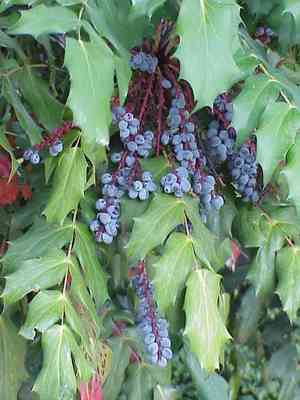
When Leatherleaf mahonia is adequately fertilized, you'll observe vibrant, green foliage and vigorous growth. Healthy plants will produce abundant flowers in spring, followed by blue-black berries. The leaves should be firm and glossy, without any yellowing or browning at the edges. Additionally, a well-fed Leatherleaf mahonia is more resistant to pests and diseases.
Troubleshooting: Addressing Fertilization Issues
If you encounter problems with your Leatherleaf mahonia, such as yellowing leaves or poor growth, accurate diagnosis is crucial. Check for signs of nutrient deficiencies or excesses. Yellow leaves can indicate a lack of nitrogen, while brown leaf tips may suggest over-fertilization. Adjust the fertilization schedule and type accordingly, and ensure the soil pH is suitable for nutrient absorption. Soil testing can be a valuable tool for diagnosing issues and refining your fertilization strategy.



