Optimal Fertilizer for Growing Trumpet creeper: What You Need to Know
1
Trumpet creeper flourishes optimally in adequately draining soils with a pH ranging from mildly acidic to neutral (6.0-7.5).
2
Employ gradual-release fertilizers to prevent sudden nutrient surges, which promote foliage development over blossom production.
3
Excessive fertilization may induce a lack of magnesium, indicated by foliage turning yellow while veins remain green.
Deciphering the Nutritional Needs of Trumpet Creeper
Vital Nutrients for Strong Development
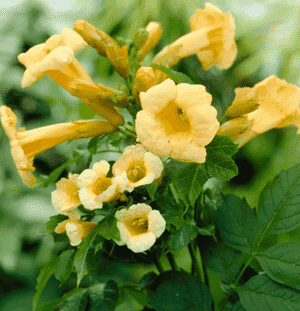
The Trumpet creeper, famed for its vivid, horn-shaped blossoms, demands a balanced intake of crucial nutrients to flourish. Key elements encompass nitrogen (N) for leaf expansion, phosphorus (P) for sturdy root formation and flower output, and potassium (K) for overall vitality and disease resilience. These primary nutrients must be supplemented by secondary elements such as calcium, magnesium, and sulfur, along with trace minerals like iron, manganese, and zinc. Guaranteeing your soil possesses a comprehensive nutrient composition is essential for vigorous Trumpet creeper growth.
Indicators of Nutritional Deficiencies
Recognizing nutrient shortages can aid in resolving plant health problems before they worsen. Typical signs include foliage yellowing, weak flower production, and hindered growth. A nitrogen deficit frequently manifests as pale, discolored leaves originating from the base. Insufficient phosphorus might result in delicate, sparse blooms and stunted root systems. Potassium scarcity can appear as yellow or brown leaf edges. Consistent inspection of your Trumpet creeper for these symptoms allows for prompt diagnosis and intervention.
Selecting the Appropriate Fertilizer for Your Trumpet Creeper
Natural vs. Chemical Fertilizers: Advantages and Disadvantages
The choice between natural and chemical fertilizers hinges on your gardening objectives and inclinations. Organic fertilizers, sourced from natural elements like compost, manure, and bone meal, enhance soil health and structure over time but release nutrients gradually. Synthetic fertilizers, designed for rapid nutrient release, ensure immediate availability but can cause nutrient runoff and soil imbalances if applied excessively. For a Trumpet creeper, a balanced approach combining both types can offer instant benefits and enduring soil vitality.
Recommended NPK Proportions
To encourage robust growth and abundant blooming, an equitable NPK (nitrogen, phosphorus, potassium) ratio of 10-10-10 or 5-10-5 is advantageous for Trumpet creeper. The elevated phosphorus content in the 5-10-5 blend supports root and flower development, ensuring your plant not only develops lush foliage but also produces vibrant blooms. Always adhere to the manufacturer’s guidelines for application rates to prevent over-fertilization, which can harm plant well-being.
Optimal Fertilization Techniques and Timing for Trumpet Creeper
Seasonal Fertilization Schedule
Spring marks the ideal period to fertilize your Trumpet creeper. Start applying a balanced fertilizer in early spring as new shoots begin to appear. This timing delivers vital nutrients during the active growth phase, promoting strong development and bloom production. Fertilize once more mid-season (early to mid-summer) to sustain continuous flowering. Reduce or cease fertilizing in late summer or early fall to allow the plant to prepare for dormancy.
Application Methods for Maximum Impact
Correct fertilizer application ensures your Trumpet creeper receives the most benefit. Distribute granular fertilizers evenly around the plant’s base, extending to the drip line – the area directly under the outermost edges of the branches. For liquid fertilizers, mix according to package instructions and apply straight to the soil. Water the plant thoroughly after applying granular fertilizers to help nutrients reach the roots. Incorporate slow-release fertilizers into the soil in early spring for prolonged nutrient availability.
Monitoring and Adapting Fertilization Strategies
Observing Plant Reaction to Fertilization
Regularly monitoring your Trumpet creeper’s response to fertilization helps confirm it is receiving the correct amount of nutrients. Look for strong, healthy growth, vibrant foliage, and abundant flowering. If you notice any indicators of poor health, such as yellowing leaves or dull blooms, it may signal a nutrient imbalance or deficiency that requires attention. Prompt adjustments can avert long-term harm and preserve plant health.
When to Modify Fertilization Plans
Adjusting your fertilization approach might be necessary based on your observations and specific plant requirements. If your Trumpet creeper exhibits signs of nutrient deficiency, consider a soil analysis to ascertain its precise nutrient needs. Soil tests provide comprehensive data on pH levels and nutrient content, guiding your fertilization strategy. Furthermore, if your Trumpet creeper is overgrowing with fewer flowers, it could indicate excessive nitrogen; reducing nitrogen-rich fertilizers and increasing phosphorus can help rebalance growth.



