Optimal Fertilizer for Growing Butterfly pea: What You Need to Know
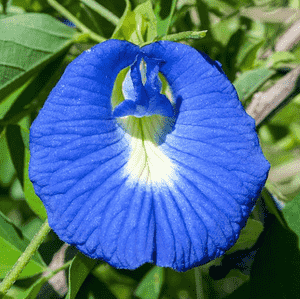
1
The best period to fertilize Butterfly pea is in the Summer season.
2
Excessive fertilization may cause root damage, stunted development, and potentially kill the plant.
3
Natural fertilizers enhance soil composition, while artificial fertilizers provide rapid nutrient access.
Understanding Fertilizer Needs of Butterfly pea
What Nutrients Do Butterfly pea Require?
For optimal growth, Butterfly pea demand a balanced supply of key nutrients: nitrogen (N), phosphorus (P), and potassium (K). Nitrogen promotes lush, green foliage; phosphorus aids root development and flowering; and potassium boosts overall plant health and disease resistance. Trace elements like magnesium, calcium, and iron also play crucial roles in the plantâs well-being, ensuring vibrant blooms and robust growth.
Signs of Nutrient Deficiency in Butterfly pea
Identifying nutrient deficiencies in Butterfly pea can help you take prompt corrective actions. Common indicators include yellowing leaves (often signaling nitrogen deficiency), poor flowering (a symptom of phosphorus shortage), and weak stems (a sign of insufficient potassium). Additionally, leaf discoloration or spots could suggest a need for trace elements like iron or magnesium.
Choosing the Right Fertilizer for Butterfly pea
Comparing Organic and Synthetic Fertilizers
When selecting fertilizers, you have two primary choices: organic and synthetic. Organic fertilizers, such as compost or manure, enhance soil structure and provide a slow-release source of nutrients. They are eco-friendly but may take time to show effects. Synthetic fertilizers, conversely, offer immediate nutrient availability and more precise nutrient ratios, making them ideal for rapid growth spurts during the growing season. However, they can sometimes lead to soil degradation if overused.
Recommended N-P-K Ratio for Butterfly pea
For Butterfly pea, a balanced fertilizer with an N-P-K ratio of 10-10-10 is generally advised. This ratio provides an equal amount of nitrogen, phosphorus, and potassium, fulfilling the plant's overall growth requirements. During the blooming phase, a fertilizer with a higher phosphorus content, such as 10-20-10, can encourage more abundant flowers.
Best Practices for Fertilizing Butterfly pea
When and How Often to Fertilize Butterfly pea
The ideal time to fertilize Butterfly pea is during the Summer, as this is their main growth period. Fertilize every 4-6 weeks to ensure continuous nutrient availability. For young plants or those recently transplanted, begin with a diluted fertilizer solution to prevent root burn. As they mature, you can gradually increase the concentration.
Step-by-Step Guide to Fertilizing Butterfly pea
Thoroughly water the plant the day before fertilizing to prevent root damage.Measure the correct amount of fertilizer according to the package instructions. For liquid fertilizers, mix with water as specified.Apply the fertilizer evenly around the base of the plant, avoiding direct contact with the stem.Gently work the fertilizer into the soil with a garden fork.Water the plant again to help dissolve the fertilizer and aid in nutrient absorption.
Avoiding Common Fertilizing Mistakes With Butterfly pea
Over-Fertilization: Signs and Solutions
Excessive fertilization can cause more harm than good. Signs include yellowing or browning leaf edges, wilting, and stunted growth. If you suspect over-fertilization, flush the soil with plenty of water to help wash away surplus nutrients. Moving forward, reduce the frequency or concentration of your fertilizer applications.
Correcting Poor Fertilization Techniques
Poor fertilization techniques can stem from inconsistent application, incorrect fertilizer types, or improper mixing. To correct these mistakes, maintain a fertilization schedule, use the appropriate N-P-K ratio, and always follow the manufacturer's instructions. Also, ensure even distribution to prevent nutrient pockets that can harm the plant.



