Optimal Fertilizer for Growing Blue mistflower: What You Need to Know
1
Blue mistflower thrives with a balanced plant food containing equivalent amounts of nitrogen, phosphorus, and potassium (NPK 10-10-10).
2
The best period to nourish Blue mistflower for strong development is during spring.
3
Steer clear of fertilizers rich in nitrogen, as these can promote abundant foliage but fewer blooms.
Grasping Blue mistflower's Feeding Requirements
Particular Nutritional Needs for Blue mistflower
The Blue mistflower flourishes when given a balanced, general-purpose plant food. This species needs elements like nitrogen (N), phosphorus (P), and potassium (K), commonly known as NPK, for peak development. Nitrogen encourages robust foliage, phosphorus aids root and bloom formation, and potassium supports overall plant health and disease resistance.
Seasonal Considerations for Feeding Blue mistflower
Timing is vital when nourishing your Blue mistflower. The ideal period to apply nutrients is during spring, as this marks the beginning of its active growth phase. A spring application supplies the necessary nutrients for vigorous growth throughout the season. Fertilizing too late can weaken plants, as they might not have enough time to adapt before winter dormancy.
Selecting the Appropriate Plant Food for Blue mistflower
Organic vs. Synthetic Nutrients: Advantages and Disadvantages
When choosing plant foods for Blue mistflower, you can pick between natural and manufactured options. Organic fertilizers, derived from materials like compost, manure, and bone meal, are eco-friendly and enhance soil structure over time. However, they release nutrients slowly and might need more frequent use. Synthetic fertilizers, conversely, offer an immediate nutrient boost and are simple to apply, but can negatively impact soil health long-term. Each choice has its pros and cons, so consider your specific needs and preferences.
Recommended NPK Ratio for Blue mistflower
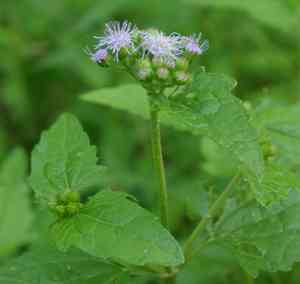
The perfect NPK ratio for Blue mistflower is a balanced 10-10-10 plant food. This means it contains equal parts nitrogen, phosphorus, and potassium, ensuring all facets of the plant's growth are supported. Avoid using fertilizers with excessive nitrogen, as this can promote abundant leaf growth at the expense of beautiful, blue-violet blooms.
Applying Plant Food to Blue mistflower
How Often to Nourish Blue mistflower
For optimal development, feed your Blue mistflower once in the spring, at the start of its growth period. An additional application in mid-summer can also be beneficial, especially if the plant shows signs of nutrient deficiency, such as pale leaves or stunted growth. Avoid frequent feeding, as this can lead to nutrient excess and harm the plant.
Steps for Correct Plant Food Application
Select a balanced 10-10-10 granular or liquid plant food.Measure the precise amount according to the manufacturer's instructions.Distribute the plant food evenly around the plant's base, approximately 15 cm (6 inches) from the stem.Water the plant thoroughly to help dissolve the plant food and aid nutrient uptake. Ensure the soil is moist but not waterlogged.Observe plant reactions and adjust future feeding practices as needed.
Common Errors When Feeding Blue mistflower
Excessive Fertilization and Its Effects
One of the most frequent errors gardeners make is over-fertilizing Blue mistflower. Too much plant food can cause 'fertilizer burn', where high salt levels from the fertilizer damage the roots. This results in yellowing leaves, poor growth, and in severe cases, plant demise. To prevent this, always follow recommended application rates and avoid feeding more often than necessary.
Indicators of Suboptimal Fertilization Practices
Symptoms of incorrect feeding include chlorosis (leaf yellowing), stunted development, and a lack of blooms. If the plant appears unhealthy despite regular care, re-evaluate your feeding methods. Ensure you are using a balanced plant food, applying it at the right time, and in the correct quantities. Poor soil drainage and improper watering can also cause nutrient deficiencies, so consider all aspects of care.



