Optimal Fertilizer for Growing Poisonbulb: What You Need to Know
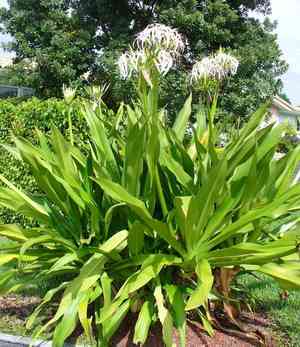
1
Poisonbulb flourishes optimally with fertilization during the initial summer period, leveraging the active growth phase.
2
Ensure your Poisonbulb is well-watered immediately following fertilizer application to assist in nutrient uptake and avoid root damage.
3
Observe the Poisonbulb for any indications of nutrient shortages, even with a consistent feeding regimen, to modify its care as necessary.
Grasping the Nutritional Requirements of Poisonbulb
Crucial Nutrients for Poisonbulb Development
The Poisonbulb, recognized for its stunning trumpet-shaped blooms and graceful leaves, demands a well-rounded array of nutrients to flourish. Key primary nutrients like nitrogen (N), phosphorus (P), and potassium (K) are essential. Nitrogen fosters abundant, leafy growth, while phosphorus aids robust root formation and flower production. Potassium ensures general plant vitality and disease resistance. Trace elements such as magnesium, iron, and calcium, though needed in smaller quantities, are equally vital for the Poisonbulb's welfare.
Indicators of Nutrient Deficiency in Poisonbulb
Detecting nutrient shortages early can prevent your Poisonbulb from prolonged stress. Common symptoms include yellowing leaves, stunted development, and poor flower formation. Nitrogen deficiency often appears as pale or yellowing foliage, while a lack of phosphorus might result in dark, purplish leaves and weak root systems. Potassium deficiency could lead to browning or scorching on leaf edges. Promptly addressing these signs by adjusting your feeding schedule can help restore the plant's vigor.
Selecting the Appropriate Fertilizer for Poisonbulb
Fertilizer Varieties Suitable for Poisonbulb
Several fertilizer options exist to meet your Poisonbulb's nutritional demands. Water-soluble fertilizers offer an immediate nutrient boost and are simple to apply. Granular slow-release fertilizers provide the benefit of a steady nutrient supply over time. Balanced fertilizers, typically labeled as 10-10-10 or similar, are appropriate for general upkeep. Meanwhile, specialized formulas rich in phosphorus can be used to enhance blooming.
Organic Versus Synthetic Fertilizers for Poisonbulb
Choosing between organic and synthetic fertilizers depends on your gardening philosophy and plant requirements. Organic fertilizers, such as compost or well-rotted manure, enrich the soil with natural nutrients and improve soil structure. However, they may release nutrients more slowly and unpredictably. Synthetic fertilizers, conversely, offer precise nutrient ratios and quicker results but do not enhance soil health. A balanced approach, combining both, can be highly effective in promoting the overall health and growth of your Poisonbulb.
Optimal Practices for Fertilizing Poisonbulb
When to Fertilize Your Poisonbulb
The ideal time for fertilizing Poisonbulb is during the early summer months. This period coincides with the plant's active growth phase, making it the perfect moment to provide a nutrient boost. Avoid fertilizing during dormant periods, typically in late autumn and winter, as the plant's nutrient needs decrease significantly.
How to Apply Fertilizer to Poisonbulb
Correct fertilizer application is crucial to prevent harming your Poisonbulb. For water-soluble fertilizers, dilute according to package directions and apply directly to the soil around the plant's base. For granular fertilizers, carefully measure the recommended amount, sprinkle it evenly around the plant's drip line, and gently mix it into the topsoil. Always water the plant thoroughly after applying fertilizer to help dissolve the nutrients and prevent root burn.
Monitoring Poisonbulb After Fertilization
Regular observation after fertilization ensures your Poisonbulb responds favorably to the added nutrients. Look for signs of healthy growth, such as vibrant green foliage and abundant flowering. If you notice any adverse reactions like leaf burn or discoloration, re-evaluate your fertilizing routine. It might be necessary to adjust the fertilizer type or frequency to better suit your plant's needs. Consistent observation and timely intervention can keep your Poisonbulb thriving.



