Optimal Fertilizer for Growing False heather: What You Need to Know
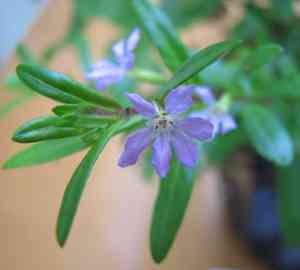
1
False heather thrives with a 10-10-10 NPK balance for robust development and vivid hues.
2
Excessive fertilization can be detrimental; adhere strictly to the dosage instructions on the product label.
3
Nourish False heather in the warmer seasons to maximize nutrient absorption.
Grasping the Nutritional Requirements of False Heather
The Nutrient Demands of False Heather
False heather, a charming shrub with delicate blooms, needs particular nutrients to flourish. Primarily, this plant requires a balanced blend of nitrogen (N), phosphorus (P), and potassium (K). Nitrogen promotes lush, green foliage, while phosphorus aids in root development and flowering. Potassium enhances the plant's overall resilience, making it more disease-resistant. Additionally, trace elements like iron, magnesium, and zinc are vital for maintaining the plant's vibrant color and robust development.
Indicators of Nutrient Deficiencies in False Heather
To maintain your False heather in prime condition, it's crucial to recognize signs of potential nutrient shortages. Yellowing leaves often signal a nitrogen deficiency, while stunted growth or poor blooming might suggest a lack of phosphorus. Potassium deficiency could appear as browning or curling leaf margins. Micronutrient shortages can cause pale leaves or chlorosis (yellowing between leaf veins). Being attentive to these indicators allows for timely provision of proper nutrition to your plant.
Selecting the Appropriate Fertilizer for False Heather
Organic vs. Synthetic Fertilizers: Which is Optimal?
When choosing fertilizers for False heather, you have two primary options: organic and synthetic. Organic fertilizers, derived from natural sources such as compost, manure, or bone meal, release nutrients slowly and enhance soil health over time. Conversely, synthetic fertilizers, formulated from chemical compounds, offer a rapid nutrient boost. Both types have their benefits; however, many gardeners prefer organic choices for their environmental advantages and soil improvement. Synthetic fertilizers can be more convenient and potent, but they carry a higher risk of over-fertilization.
Recommended NPK Ratio for False Heather
False heather generally thrives with an even NPK ratio of 10-10-10. This ratio ensures the plant receives equal parts of nitrogen, phosphorus, and potassium, fostering overall health and growth. Some gardeners might opt for a slightly different ratio based on specific soil conditions or plant vitality. Monitoring the plant's reaction to fertilization and adjusting as needed can help sustain optimal growth. Always adhere to the manufacturer's instructions on the fertilizer packaging to prevent over or under-fertilizing.
Optimal Practices for Fertilizing False Heather
When to Fertilize Your False Heather
The ideal time to fertilize your False heather is during the summer months. During this period, the plant is in its active growth phase and can absorb nutrients more effectively. Fertilizing from late spring to early summer prepares the plant for peak growth and flowering. Avoid fertilizing in late autumn or winter when the plant's growth slows, as this can lead to nutrient accumulation in the soil and potential root damage.
How to Apply Fertilizer to False Heather
Applying fertilizer to False heather is a straightforward process. Begin by thoroughly watering the plant to prevent root burn. Then, apply the fertilizer uniformly around the plant's base, being careful not to let it touch the stems or leaves directly. Granular fertilizers can be gently mixed into the topsoil layer, while liquid fertilizers should be diluted according to package instructions and applied with a watering can or sprayer. Repeat the fertilization process every 4-6 weeks during the growing season for best outcomes.
Addressing Common Issues After Fertilizing False Heather
Identifying Symptoms of Over-Fertilization
Excessive fertilization of False heather can be detrimental to its well-being. Signs of over-fertilization include yellowing or browning of leaf edges, stunted development, and a white crust on the soil surface (fertilizer salt accumulation). If you observe these indicators, flush the soil with ample water to remove surplus nutrients and refrain from fertilizing for at least one month. Reducing the frequency and quantity of fertilizer can prevent recurring problems.
Under-Fertilization: What Actions to Take?
Insufficient fertilization of False heather can result in poor growth and dull foliage. If you suspect under-fertilization, conduct a soil test to confirm nutrient levels. Based on the results, gradually increase the frequency or amount of fertilizer application to avoid shocking the plant. Ensuring a consistent feeding schedule during the growing season is vital for maintaining its vibrancy and health.



