Optimal Fertilizer for Growing Lemon grass: What You Need to Know
1
Lemon grass flourishes optimally with fertilization during the Spring period.
2
A well-balanced fertilizer, such as a 6-4-4 blend, encourages vigorous development.
3
Always irrigate the soil following fertilizer application to aid nutrient absorption.
Deciphering the Nutritional Requirements of Lemongrass
Essential Nutrients for Thriving Lemongrass
For flourishing and vigorous Lemongrass, understanding its dietary needs is vital. Lemongrass primarily relies on three major macronutrients: nitrogen (N), phosphorus (P), and potassium (K). Nitrogen is crucial for lush foliage, phosphorus aids in root establishment, and potassium enhances overall plant resilience and drought tolerance. Supplying your Lemongrass with a balanced intake of these nutrients will foster strong, healthy development.
Identifying Nutrient Deficiencies in Lemongrass
Recognizing indicators of nutrient scarcity is critical for maintaining your Lemongrass in prime condition. If your plant displays yellowing leaves or stunted development, it may lack nitrogen. Leaves with a purple tint could signal a phosphorus deficiency, while brown leaf margins might suggest a potassium shortage. Routine inspection of your Lemongrass enables prompt correction of deficiencies and adjustment of your feeding regimen.
Selecting the Appropriate Fertilizer for Lemongrass
Organic Versus Synthetic Fertilizers for Lemongrass
When choosing the ideal fertilizer for Lemongrass, both natural and chemical options offer advantages. Organic fertilizers, like compost or well-aged manure, provide a gradual release of nutrients and improve soil structure, promoting a healthier growing environment. Conversely, synthetic fertilizers offer precise nutrient ratios and are typically fast-acting, delivering an immediate boost to plant growth. However, they can sometimes cause nutrient runoff if not applied carefully. Consider your gardening philosophy and the specific requirements of your Lemongrass when making your decision.
Recommended Fertilizer Varieties for Lemongrass
A balanced fertilizer with an N-P-K ratio around 6-4-4 is optimal for Lemongrass. This blend supports comprehensive growth, as well as root and leaf development. You might also consider employing a slow-release granular fertilizer, which supplies a steady stream of nutrients over time. Additionally, incorporating fish emulsion or seaweed extract can supplement vital micronutrients, ensuring your Lemongrass remains robust and healthy.
Optimal Fertilization Practices for Lemongrass
Fertilization Frequency for Lemongrass
Determining the correct frequency for fertilizing Lemongrass is crucial for its vigorous growth. During its active growing period, typically beginning in spring, applying fertilizer every six to eight weeks should be sufficient. This schedule provides consistent nutrient support without overwhelming the plant. During dormant periods, decrease fertilization to prevent excessive nutrient accumulation in the soil.
Application Methods for Enhanced Nutrient Uptake
Proper application techniques boost the efficacy of your fertilization efforts. Start by uniformly distributing the fertilizer around the base of the Lemongrass, taking care not to touch the stems directly, as this can lead to burning. Gently work the fertilizer into the topsoil layer and then water thoroughly to help nutrients permeate the root zone. This approach ensures your Lemongrass absorbs nutrients efficiently for optimal development.
Monitoring Fertilization's Impact on Lemongrass
Assessing the Success of Your Fertilizing Strategy
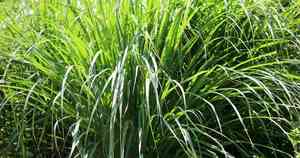
Observing your Lemongrass over time helps determine if your fertilization plan is effective. Within a few weeks of application, you should notice greener, more vibrant leaves and increased growth activity. Healthy Lemongrass will also exhibit strong, upright stalks. If your plant appears lush and continues to produce new foliage, your fertilization efforts are likely on track.
Modifying Fertilization Based on Plant Vitality and Growth
It's important to remain adaptive and adjust your fertilization strategy according to the health and growth of your Lemongrass. If you detect signs of over-fertilization, such as yellowing leaf tips or leaf burn, reduce the amount or frequency of fertilizer. Conversely, if growth is sluggish and leaves appear pale, consider increasing the nutrient supply moderately. Regular observation and adjustments ensure your Lemongrass receives the appropriate nutrition tailored to its needs.



