Optimal Fertilizer for Growing Tufted hairgrass: What You Need to Know
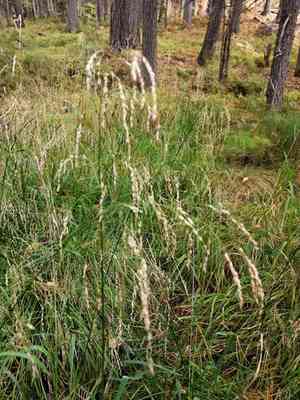
1
Tufted hairgrass flourishes in soil that drains effectively and has a pH ranging from mildly acidic to neutral (5.5-7.0).
2
For peak development, it's advisable to fertilize Tufted hairgrass in the early spring.
3
Excessive fertilization may lead to elongated stems and diminish the plant's inherent hardiness.
Understanding the Nutritional Needs of Tufted hairgrass
Essential Nutrients for Healthy Growth
For Tufted hairgrass to flourish, it requires a blend of macro and micronutrients. The primary macronutrients are nitrogen (N), phosphorus (P), and potassium (K). Nitrogen promotes lush, green foliage, phosphorus is crucial for robust root development, and potassium enhances overall plant vitality and disease resistance. Additionally, micronutrients like iron, magnesium, and manganese support various physiological functions, ensuring the plant grows healthy and resilient.
Symptoms of Nutritional Deficiencies
Careful observation of Tufted hairgrass can help detect nutritional deficiencies early. Yellowing leaves often signal a nitrogen deficiency, while stunted growth may indicate a lack of phosphorus. Potassium deficiency can appear as brown, scorched leaf edges. Furthermore, micronutrient deficiencies can cause various symptoms, such as yellowing between leaf veins for iron deficiency or poor development and discoloration from insufficient magnesium.
Choosing the Right Fertilizer for Tufted hairgrass
Organic vs. Synthetic Fertilizers
When selecting between organic and synthetic fertilizers, it's important to consider the advantages and disadvantages of each. Organic fertilizers, derived from natural sources like compost, manure, or bone meal, release nutrients slowly and improve soil structure over time. They are eco-friendly and reduce the risk of nutrient runoff. Conversely, synthetic fertilizers are formulated for immediate nutrient availability, which can provide quick results. However, they may contribute to soil degradation if used excessively.
Recommended N-P-K Ratio
Tufted hairgrass benefits from a balanced N-P-K ratio such as 10-10-10 or 14-14-14. These ratios ensure the plant receives an equal proportion of nitrogen, phosphorus, and potassium, promoting balanced growth. For those aiming to enhance foliage, a higher nitrogen ratio like 20-10-10 can be used sparingly, while a phosphorus-rich ratio, such as 10-20-10, can help boost root development, especially if planted in a new location.
Best Practices for Fertilizing Tufted hairgrass
Optimal Fertilizing Schedule
Tufted hairgrass should ideally be fertilized in early spring, just as the growing season commences. This timing allows the grass to utilize the available nutrients when growth is most vigorous. Supplemental feeding during late summer can also help maintain vigor, but be careful to avoid late autumn applications, as this can reduce frost hardiness.
Application Techniques for Even Distribution
To ensure uniform nutrient distribution, granular fertilizers can be spread evenly across the soil's surface or mixed into the top layer of soil. For liquid fertilizers, a watering can or sprayer ensures even application. Regardless of the method, lightly watering the soil after application helps the nutrients dissolve and be absorbed by the roots efficiently. Always adhere to the recommended application rates to prevent over-fertilizing, which can lead to nutrient runoff and plant stress.
How Does Season Affect Fertilizing Tufted hairgrass?
Fertilizing in Spring vs. Autumn
Spring is the ideal time to fertilize Tufted hairgrass, coinciding with its active growth period. During spring, the soil warms, microbial activity begins, and nutrients become more accessible, supporting robust growth. While autumn fertilization can be beneficial for strengthening root systems before winter dormancy, caution is vital to prevent over-stimulation that might leave the plant susceptible to frost.
Adjustments for Climate Variations
Climate differences can significantly influence fertilization practices. In cooler climates, the spring fertilization window might be slightly delayed to ensure the soil is adequately warm. Conversely, in warmer regions, early spring may arrive sooner, necessitating an adjusted schedule. Always monitor local climatic conditions and soil temperatures to make the most informed fertilization decisions.



