Optimal Fertilizer for Growing Sweet william: What You Need to Know
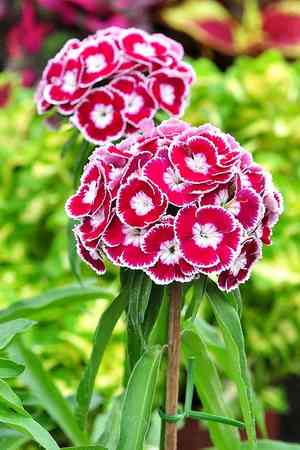
1
Sweet william thrives with fertilizers containing an even ratio of nitrogen, phosphorus, and potassium.
2
Always irrigate the soil following fertilization to aid in efficient absorption by the root system.
3
Refrain from excessive fertilization of Sweet william, as this may cause root scorching and harm the plant.
Deciphering Sweet william's Nutritional Requirements
Crucial Nutrients for Sweet william's Health
For optimal growth, Sweet william demands a balanced intake of vital nutrients. Nitrogen promotes lush foliage, phosphorus assists in root formation and flowering, and potassium strengthens overall plant vitality and disease resistance. A balanced fertilizer, such as a 10-10-10 or 14-14-14 blend, delivers these elements in equal proportions, ensuring your Sweet william receives everything necessary to flourish. Remember to include trace elements like magnesium, calcium, and iron, as they are crucial for the plant's overall vigor.
Indicators of Nutrient Deficiency in Sweet william
Spotting nutrient deficiencies early can prevent your Sweet william's health from deteriorating. Typical symptoms of insufficient nutrients include leaf yellowing, inhibited growth, sparse blooming, and general wilting. If these signs appear, it could signify a specific nutrient is lacking. For example, yellowing foliage often points to a nitrogen deficit, while poor flowering might indicate low phosphorus. Promptly addressing these issues with the correct fertilizer can revitalize your plant and ensure strong development.
Selecting the Appropriate Fertilizer for Sweet william
Fertilizer Varieties: Advantages and Disadvantages
Fertilizers come in various forms, each presenting distinct benefits and drawbacks. Granular fertilizers offer sustained nutrient release and are easy to apply but may take time to become active. Liquid fertilizers enable rapid nutrient uptake but necessitate more frequent application. Slow-release options provide a consistent nutrient supply over time, reducing the need for frequent reapplication but can be more expensive. Understanding these choices helps you pick the most suitable fertilizer for your Sweet william.
Natural vs. Synthetic Fertilizers for Sweet william
The decision between organic and synthetic fertilizers depends on your gardening approach. Organic fertilizers, derived from natural sources like compost or bone meal, enhance soil structure and microbial activity but might release nutrients gradually. Synthetic fertilizers, conversely, offer immediate nutrient availability and are generally more concentrated but can lead to nutrient accumulation in the soil over time. For Sweet william, an organic choice can improve soil quality, while synthetic might be preferred if quick results are desired.
Ideal Fertilization Timeline for Sweet william
Optimal Fertilizing Periods During the Active Growth Phase
The best time to feed Sweet william is in the spring, when the growth cycle commences. Begin by applying a balanced fertilizer at the start of spring to give the plant an initial nutritional boost. Continue fertilizing every 4-6 weeks throughout the growing season to maintain adequate nutrient levels. If you observe vigorous growth mid-season, a light application can support ongoing health and flowering. Always adhere to the recommended dosages to prevent over-fertilization.
Adjusting Fertilization Based on Plant Progression
As Sweet william advances through its developmental stages, modify fertilization accordingly. Early in the season, concentrate on fostering leafy growth with a balanced fertilizer. Once the plant starts to bloom, switch to a fertilizer higher in phosphorus to encourage flowering. In late summer, decrease fertilization to prepare the plant for dormancy. Observing the plant's development and providing suitable nutrients at each stage will ensure prime health and bloom production.
Applying Fertilizer to Sweet william
Step-by-Step Instructions for Fertilizing Sweet william
Start by selecting the appropriate fertilizer type for your specific requirements. A balanced, slow-release option is often ideal for Sweet william.Measure the recommended amount of fertilizer, typically indicated on the product packaging.Evenly spread the fertilizer around the plant's base, being careful to avoid direct contact with the stems.Gently incorporate the fertilizer into the topsoil layer using a hand trowel or your fingers.Thoroughly water the area to help the nutrients penetrate the soil and reach the root system.Reapply as necessary according to the schedule, usually every 4-6 weeks.
Common Errors to Avoid During Fertilization
A frequent error is excessive fertilization, which can cause root burn and damage to Sweet william. Always stick to the advised dosages and frequencies. Another pitfall is applying fertilizer too close to the plant stems, potentially leading to direct contact burn. Ensure the fertilizer is uniformly distributed around the base without touching the stems. Additionally, refrain from fertilizing in extremely hot or dry conditions, as plants are more vulnerable to damage under stress. Correct timing and application methods are crucial for successful fertilization.
Monitoring Fertilization's Impact on Sweet william
Observing Growth Patterns and Transformations
Regularly monitoring your Sweet william after fertilization helps assess the effectiveness of your feeding regimen. Look for vibrant foliage color, robust development, and abundant blooms as signs of good nutrient absorption. If you notice any adverse reactions such as leaf scorching, yellowing, or stunted growth, re-evaluate your fertilization process and make necessary adjustments. Maintaining a gardening log to record observations can help track progress and identify trends throughout the growing season.
When to Modify Your Fertilization Strategy
If Sweet william exhibits signs of nutrient imbalance or distress, adjusting your fertilization plan may be necessary. For example, if the plant has excessive leafy growth but few flowers, reduce nitrogen and increase phosphorus. If the leaves appear pale or yellow, consider adding an iron supplement or a more balanced fertilizer. Seasonal shifts, such as the transition from spring to summer, might also necessitate modifications. Proactive adjustments based on plant requirements and seasonal cues ensure continuous health and bloom production.



