Optimal Fertilizer for Growing Dieffenbachia: What You Need to Know
1
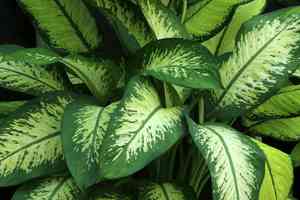
Nourishing your Dieffenbachia with fertilizer during its vigorous growth period (summer) can greatly boost its development and color.
2
Regular yet moderate feeding is crucial; excessive fertilizer may damage your Dieffenbachia rather than aid it.
3
Natural fertilizers are capable of enhancing soil quality over time, contributing to your Dieffenbachia's enduring well-being.
Deciphering Dieffenbachia's Nutritional Requirements
Essential Nutrients for Dieffenbachia's Health
For optimal Dieffenbachia vigor, supplying vital nutrients is essential. The primary nutrients needed are Nitrogen (N), Phosphorus (P), and Potassium (K), commonly known as N-P-K. Nitrogen is crucial for foliage development and overall plant structure, phosphorus aids in root growth and bloom formation, and potassium boosts general plant resilience, helping it resist diseases and harsh conditions. Additionally, trace elements such as magnesium, calcium, and iron play supporting roles in maintaining vibrant, healthy leaves.
Indicators of Nutritional Deficiencies in Dieffenbachia
Identifying nutrient shortages in your Dieffenbachia is vital. Typical signs include yellowing leaves, arrested development, and poor leaf formation. Pale or discolored leaves often signify a lack of nitrogen, while browning along leaf margins could indicate insufficient potassium. If you notice stunted growth or deformed leaves, your plant might be deficient in phosphorus. Promptly addressing these indicators by modifying your feeding regimen can revitalize your Dieffenbachia and restore its vitality and lushness.
Selecting the Appropriate Fertilizer for Dieffenbachia
Available Fertilizer Formulations
Fertilizers are available in various forms, including granular, liquid, and slow-release options. Granular fertilizers are spread on the soil surface and dissolve with watering, whereas liquid fertilizers are mixed with water and applied directly to the soil or foliage. Slow-release fertilizers gradually release nutrients over a specific period, providing a consistent supply to your Dieffenbachia. Each type offers distinct benefits, so consider your plant's needs and your horticultural practices when choosing the right product.
Organic vs. Synthetic Fertilizers: Advantages for Dieffenbachia
Both organic and synthetic fertilizers can be effective for Dieffenbachia, each offering specific benefits. Organic fertilizers, such as compost or fish emulsion, enhance soil health and structure over time. They offer a gradual nutrient release, minimizing the risk of over-fertilization and encouraging sustainable growth. Synthetic fertilizers, conversely, provide a rapid nutrient boost and are straightforward to use and measure. However, they can lead to nutrient accumulation in the soil if not applied carefully. For peak health, consider alternating between organic and synthetic options or combining them to balance immediate nutrient needs with long-term soil enrichment.
Techniques for Fertilizing Dieffenbachia
Dieffenbachia Fertilization: A Step-by-Step Guide
Select a balanced fertilizer with an N-P-K ratio suitable for houseplants (e.g., 10-10-10 or 20-20-20).If using granular fertilizer, scatter the recommended amount around the plant's base, avoiding direct contact with the stem. Water thoroughly to aid nutrient absorption into the soil.If using liquid fertilizer, dilute to the specified strength and apply directly to the soil every 2-4 weeks during the active growth phase.For slow-release fertilizers, adhere to the package directions. Typically, these are applied once or twice during the growing season.Always observe your Dieffenbachia for signs of excessive or insufficient fertilization and adjust your approach as needed.
Optimal Fertilization Schedule for Dieffenbachia
The frequency of Dieffenbachia fertilization largely depends on its growth cycle and the type of fertilizer used. During the summer, its active growing season, fertilize every 2-4 weeks. If using a slow-release product, a couple of applications during the summer are usually sufficient. During the dormant period (autumn and winter), reduce or cease fertilizing to prevent nutrient excess. Always refer to the specific instructions of your chosen fertilizer and adapt based on the plant's response.
Frequent Errors to Avoid When Fertilizing Dieffenbachia
Excessive Fertilization: Risks and Outcomes
Over-fertilizing is a common error that can severely damage your Dieffenbachia. Symptoms include leaf burn, characterized by brown leaf edges, and a general decline in plant health. Too much fertilizer can cause nutrient buildup in the soil, leading to root damage and impaired water uptake. To prevent this, always adhere to the recommended quantities and application frequency. If you suspect over-fertilization, flush the soil with plenty of water to help remove excess nutrients.
Disregarding the Plant's Growth Period
Understanding and respecting your Dieffenbachia's growth cycle is crucial. Fertilizing during its dormant season, typically fall and winter, can stress the plant and result in root damage. Conversely, failing to fertilize during the active growing season leads to stunted growth and dull foliage. Monitor your plant's growth phases, and modify your fertilization schedule accordingly to ensure it receives necessary nutrients at the correct time.



