Optimal Fertilizer for Growing Japanese persimmon: What You Need to Know
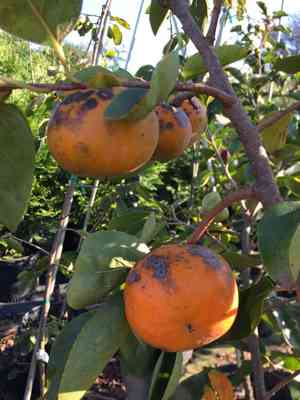
1
Japanese persimmon greatly benefits from a slow-release fertilizer, which delivers a consistent nutrient supply over an extended period.
2
Insufficient nitrogen can result in foliage yellowing, whereas an excess may lead to abundant leafy growth but minimal fruit production.
3
Fertilizing your Japanese persimmon in the spring is ideal, as it coincides with its natural growth pattern.
Deciphering the Nutritional Requirements of Japanese Persimmon
Crucial Nutrients for Robust Development
The Japanese persimmon flourishes with a well-rounded intake of vital nutrients. Primary elements include nitrogen (N), phosphorus (P), and potassium (K), commonly identified as the N-P-K ratio on fertilizer labels. Nitrogen is essential for foliage growth, phosphorus aids root development and fruit production, while potassium bolsters overall plant vitality and disease resistance. Additionally, the plant benefits from micronutrients such as magnesium, calcium, and iron. Providing a comprehensive nutrient supply will encourage luxuriant growth and plentiful fruit.
Indicators of Nutrient Shortages
Spotting nutrient shortfalls early can protect your Japanese persimmon from unnecessary stress. Here are some primary signs:Nitrogen Shortage: Yellowing leaves and stunted development.Phosphorus Shortage: Dark green or purplish foliage, delayed fruiting, and poor root formation.Potassium Shortage: Brown leaf margins and weak stems. Addressing these indications with suitable fertilization can swiftly restore the plant's vigor.
Selecting the Appropriate Fertilizer for Japanese Persimmon
Fertilizer Varieties: Natural vs. Synthetic
Regarding fertilizing your Japanese persimmon, you have two main choices: organic or synthetic fertilizers. Organic fertilizers, like compost, manure, and bone meal, gradually release nutrients and enhance soil health over time. Synthetic fertilizers, conversely, provide a rapid nutrient boost and are often formulated with specific N-P-K ratios. Each type has its advantages and disadvantages, so your selection depends on your gardening methods and the plant's specific requirements.
Recommended N-P-K Ratios
The ideal N-P-K ratio for Japanese persimmon is typically around 10-10-10, delivering an even provision of nitrogen, phosphorus, and potassium. Alternatively, a 6-8-8 ratio can also be effective, featuring slightly higher phosphorus and potassium levels to support fruit maturation. Adjust your choice based on soil analysis and the plant's specific growth phase for optimal outcomes.
When to Administer Fertilizer to Your Japanese Persimmon
Seasonal Fertilization Schedule
Timing your fertilizer application is vital for your Japanese persimmon's health. The best period to fertilize is in spring, as the plant enters its active growth phase. Apply another dose of fertilizer in early summer if necessary. Avoid fertilizing in late summer or fall, as this can stimulate new growth vulnerable to winter damage. Adhering to this schedule ensures the plant receives nutrients when it can utilize them most effectively.
Modifying Fertilization Based on Plant Development and Health
Observing your plant's development and well-being can help you fine-tune your fertilization practices. For instance, if your Japanese persimmon exhibits robust growth but little fruit, you might need to decrease nitrogen and boost potassium and phosphorus. Conversely, if the plant appears weak or shows symptoms of nutrient deficiency, a balanced or nitrogen-rich fertilizer might be required. Regular soil assessments and plant observations are key to optimizing your fertilization approach.
How to Apply Fertilizer to Japanese Persimmon
Methods of Fertilizer Application
Correct fertilizer application ensures your Japanese persimmon receives maximum benefit. An effective method is broadcast application, where you evenly distribute the fertilizer over the soil surface around the tree's base. You can also work fertilizer into the soil by light tilling or use a drip line for liquid fertilizers. For more controlled nutrient release, consider using slow-release granules that break down gradually.
Safety Precautions and Best Practices
Safety is paramount when fertilizing. Always adhere to the manufacturer's directions on the fertilizer packaging. Wear gloves to shield your skin from chemicals and wash your hands thoroughly afterward. Avoid excessive fertilization, which can lead to nutrient runoff and environmental harm. Keep fertilizers away from water sources to prevent contamination. Employing these best practices safeguards the health of your Japanese persimmon and the surrounding ecosystem.



