Optimal Fertilizer for Growing Argyle apple: What You Need to Know
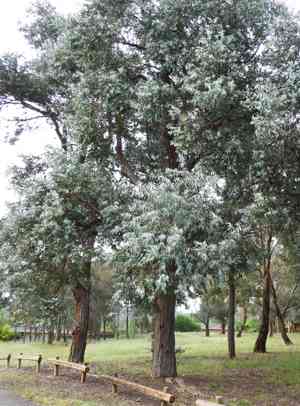
1
Argyle apple plants flourish optimally with spring fertilization.
2
Employing organic nutrients aids in soil enrichment and fosters beneficial microbial action for your Argyle apple.
3
Refrain from excessive fertilization to avert nutrient toxicity, which can harm Argyle apple roots.
Understanding Argyle Apple's Fertilization Requirements
Essential Nutrients for Argyle Apple
The Argyle apple, recognized for its fragrant leaves and silvery-blue foliage, needs specific vital nutrients for optimal development. Nitrogen is crucial for leaf formation, promoting strong and vibrant greenery. Phosphorus plays a key role in root growth and the development of flowers and fruits, while Potassium enhances overall plant health by aiding photosynthesis, nutrient absorption, and disease resistance.
Indicators of Nutrient Deficiency in Argyle Apple
Early detection of nutrient deficiency signs can prevent lasting harm to your Argyle apple. Typical symptoms include yellowing leaves, stunted development, and poor blooming. If leaves begin to curl or new foliage appears smaller and paler, it signals a lack of essential nutrients like nitrogen or potassium. Regular observation of these signs helps in promptly addressing nutrient shortages.
Selecting the Appropriate Fertilizer for Your Argyle Apple
Fertilizer Types Suitable for Argyle Apple
When choosing a fertilizer for your Argyle apple, opt for a balanced formula containing equal proportions of nitrogen, phosphorus, and potassium (N-P-K). Both slow-release granules and liquid fertilizers are excellent choices. Additionally, selecting a fertilizer with added micronutrients such as iron, magnesium, and calcium can further support your plant's vitality and growth.
Organic vs. Synthetic Fertilizers: A Comparison
The decision between organic and synthetic fertilizers often depends on personal preference and specific plant needs. Organic fertilizers, like compost or aged manure, improve soil structure and microbial activity, which benefits the overall health of your Argyle apple. Conversely, synthetic fertilizers offer a rapid nutrient boost but may not contribute to long-term soil health. A combination of both can provide immediate nutrients and enhance soil quality over time.
Optimal Fertilizing Schedule for Argyle Apple
Best Times to Fertilize Argyle Apple Annually
The ideal time to fertilize your Argyle apple is in the spring, coinciding with the plant's active growth period. This timing ensures the plant receives necessary nutrients when it is most receptive. A light additional fertilization can be applied in early summer if the plant shows signs of nutrient depletion. Avoid fertilizing in fall and winter as the plant's growth slows, and excess nutrients could cause root burn.
How Frequently Should You Fertilize Your Argyle Apple?
A general guideline is to fertilize your Argyle apple every 6-8 weeks during its growing season. For slow-release fertilizers, a single application in early spring might suffice for the entire season. Always adhere to the manufacturer's instructions on the fertilizer packaging to prevent over-fertilization. Adjust frequency based on the plant's health and growth response.
Applying Fertilizer to Argyle Apple: Best Practices
Step-by-Step Guide for Fertilizing Argyle Apple
Fertilizing your Argyle apple can be a simple process if you follow these steps:Choose an overcast day or early morning to fertilize to prevent nutrient burn.Distribute the fertilizer evenly around the root zone, avoiding direct contact with the trunk.Gently incorporate the fertilizer into the top layer of soil using a garden fork or your fingers.Water the plant thoroughly after application to help nutrients penetrate the soil.Monitor the plant for signs of improvement or any adverse reactions in the subsequent weeks.
Common Errors to Avoid When Fertilizing Argyle Apple
To prevent harming your Argyle apple, steer clear of these common fertilization mistakes:Over-fertilizing: Excessive fertilizer can lead to nutrient burn, damaging roots and foliage.Using the incorrect fertilizer type: Ensure the fertilizer is suitable for eucalyptus species and has a balanced nutrient ratio.Fertilizing at the wrong time: Avoid fertilizing in late fall or winter to prevent promoting new growth susceptible to frost damage. By following these guidelines, you can maintain a healthy and thriving Argyle apple throughout the year.



