Optimal Fertilizer for Growing Caper spurge: What You Need to Know
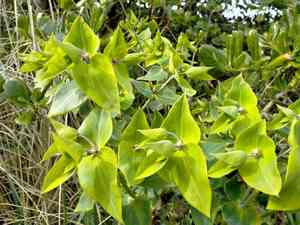
1
Caper spurge benefits most from nutrient supplementation in summer to aid its vigorous development.
2
Refrain from applying excessive nitrogen-rich plant food, as this may result in abundant leaves but fragile stalks.
3
Maintaining a regular feeding regimen helps avert nutritional shortages and encourages a hardier specimen.
Understanding Caper spurge's Nutritional Requirements
The Function of Nutrients in Caper spurge Development
To ensure your Caper spurge thrives, grasping the purpose of various nutrients is vital. Essential elements like nitrogen (N), phosphorus (P), and potassium (K) are commonly known as N-P-K. Nitrogen promotes abundant, green foliage, phosphorus aids robust root growth and bloom production, while potassium supports general plant vitality and disease resistance. Micronutrients such as calcium, magnesium, and iron, though needed in smaller quantities, are crucial for the plant's efficient metabolic processes. A balanced provision of these nutrients is essential for a flourishing Caper spurge.
Recognizing Symptoms of Nutrient Shortage in Caper spurge
Identifying indicators of nutrient deficiency can help you act promptly to save your Caper spurge. Common signs include discolored leaves, stunted development, and poor blooming. Yellowing, especially in older leaves, often indicates a nitrogen deficit. A lack of phosphorus might appear as dark green leaves with a purplish tint, while potassium scarcity typically presents as yellowing leaf edges and tip burn. Accurate diagnosis will ensure you provide the correct nutrient boost for recovery.
Selecting the Appropriate Fertilizer for Caper spurge
Organic vs. Synthetic Fertilizers: Which is Optimal for Caper spurge?
When choosing a fertilizer for your Caper spurge, you can select between organic or synthetic options. Organic fertilizers, such as compost and manure, provide a gradual release of nutrients over time and enhance soil texture and health. Synthetic fertilizers, conversely, offer an immediate nutrient surge, which can be beneficial during peak growth periods. Both types have advantages, but a balanced approach utilizing both can often yield superior results. Always review label instructions and apply accordingly.
Key Nutrients and Their Proportions for Caper spurge
Caper spurge requires a balanced N-P-K ratio for optimal growth, frequently found in all-purpose fertilizers labeled 10-10-10 or 20-20-20. This signifies that the fertilizer contains equal parts nitrogen, phosphorus, and potassium. During the blooming season, a fertilizer with higher phosphorus content (e.g., 5-10-5) can be advantageous. Additionally, ensuring a supply of secondary nutrients like calcium and magnesium will further support the plant's health and development.
Optimal Fertilization Practices for Caper spurge
How Frequently Should You Fertilize Caper spurge?
Fertilizing regularity is crucial for maintaining your Caper spurge's health. During the warmer months, when the plant's growth is most active, fertilize every 4-6 weeks. This schedule ensures consistent nutrient availability without overwhelming the plant. In cooler periods, reduce the frequency to once every 8-10 weeks or cease entirely, as the plant's growth rate diminishes. Always adjust based on the specific needs observed in your plant.
Effective Application Methods for Caper spurge Fertilization
Applying fertilizer correctly ensures your Caper spurge receives maximum benefit. Thoroughly water the plant before applying fertilizer to prevent root damage. Distribute granular fertilizers evenly around the plant's base and gently incorporate them into the soil, avoiding direct contact with the stem. For liquid fertilizers, dilute as per instructions and apply directly to the soil. Always follow up with ample watering to help nutrients reach the root zone.
Monitoring and Adjusting Caper spurge Fertilization
How to Observe Fertilizer's Effect on Caper spurge
Monitoring fertilization's impact involves regular observation of your Caper spurge. Maintain a garden log to record changes in growth rates, leaf coloration, and overall plant vitality. Regularly check for any indications of over-fertilization, such as yellowing leaf tips or salt accumulation on the soil surface. Soil analysis every few months can also help you understand nutrient levels and make more informed fertilization decisions.
Modifying Fertilization Based on Caper spurge's Growth and Condition
Your Caper spurge may need adjustments in its fertilization schedule based on its health and development. If the plant exhibits signs of nutrient deficiency or over-fertilization, immediate action is necessary. For deficiencies, consider a targeted nutrient boost. If symptoms of over-fertilization appear, like scorched leaf tips, flush the soil with plenty of water to remove excess salts. Regularly reassessing and modifying your fertilization practices will ensure your Caper spurge remains healthy and robust.



