Optimal Fertilizer for Growing Nerve plant: What You Need to Know
1
Regular feeding throughout the summer promotes the richest leaf color in Fittonia plants.
2
A 10-10-10 ratio fertilizer is perfect for preserving the well-being of your Nerve plant.
3
Excessive fertilization may cause root damage and nutrient discrepancies, therefore adhere to dosage instructions.
Grasping the Nutritional Requirements of a Nerve Plant
The Crucial Role of Adequate Nourishment
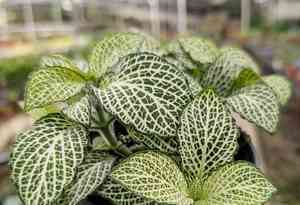
Sufficient nourishment is vital for maintaining your Nerve plant's vitality. These plants thrive on a precise blend of nutrients that bolster their distinctive vein patterns and lively foliage. Proper feeding guarantees consistent growth, minimizing risks of illness or pests. A well-nourished Nerve plant will display its signature colorful leaves, typically adorned with striking shades of green, pink, white, or red.
Essential Nutrients for Nerve Plant Wellness
For optimal health, Nerve plants require key nutrients such as nitrogen (N), phosphorus (P), and potassium (K). Nitrogen is indispensable for leaf development and preserving the plant's vibrant hue. Phosphorus supports root growth and overall plant vigor. Potassium assists in general functions, aiding in disease resistance and water regulation. Micronutrients like iron, magnesium, and and calcium also play a crucial role in maintaining the plant's well-being.
Best Fertilization Methods for Nerve Plants
Selecting the Correct Fertilizer
Choosing the appropriate fertilizer is paramount. For Nerve plants, a balanced, water-soluble fertilizer with an N-P-K ratio of 10-10-10 is generally advised. This ensures the plant receives equal amounts of the primary nutrients it needs. Additionally, consider a fertilizer that includes micronutrients to support all aspects of your plant's development. Organic options, such as compost tea or diluted fish emulsion, can also be beneficial.
How to Effectively Apply Fertilizer
Fertilizer application should be performed carefully to prevent over-fertilizing. Dilute your chosen fertilizer to half its recommended strength. During the active growth period, typically summer, fertilize your Nerve plant once every two weeks. Ensure the soil is damp before application to avoid root burn. Pour the diluted solution directly onto the soil, taking care to avoid contact with the leaves to prevent damage. Continuously monitor the plant's reaction and adjust frequency if necessary.
When to Fertilize Your Nerve Plant
Fertilizing During Active Growth Periods
The ideal time to fertilize your Nerve plant is during its active growing seasons, which are spring and summer. During these months, the plant's metabolic rate is higher, allowing it to efficiently utilize the provided nutrients. Fertilizing every two weeks in summer ensures sustained growth and vivid foliage. Reduce the frequency to once a month during spring. In fall and winter, the plant enters a dormant phase requiring minimal to no fertilization.
Indicators Your Nerve Plant Requires Fertilization
Observe for signs suggesting your Nerve plant needs fertilization. These indicators include stunted growth, pale or yellowing leaves, and a general droopy appearance. If the foliage begins to lose its vibrancy or the plant seems lackluster, it may be time to assess soil nutrient levels and consider a feeding schedule. Regular observation and prompt action can prevent prolonged nutrient deficiencies.
Common Errors to Avoid When Fertilizing Nerve Plants
Over-Fertilization and Its Effects
One of the most frequent mistakes is providing too much fertilizer to your Nerve plant. Excessive fertilization can lead to root burn, where roots are damaged by an abundance of nutrient salts in the soil. This can hinder the plant’s growth, cause leaf scorching, and even result in plant death. Always adhere to recommended guidelines: dilute your fertilizer, apply sparingly, and observe the plant’s responses to adjustments in feeding.
Neglecting Soil pH and Nutrient Equilibrium
A crucial factor often overlooked is the soil pH and overall nutrient balance. Nerve plants prefer slightly acidic to neutral pH levels, around 6.0 to 6.5. Using a soil pH meter can assist in monitoring this. High pH can impede the efficient absorption of essential nutrients, leading to deficiencies despite regular fertilization. Consistent soil testing ensures you maintain the pH in check and an optimal nutrient balance for your plant.



