Optimal Fertilizer for Growing Hardy fuchsia: What You Need to Know
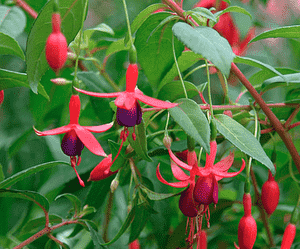
1
Hardy fuchsia thrives with a well-balanced plant food containing equivalent proportions of nitrogen, phosphorus, and potassium.
2
Applying fertilizer to Hardy fuchsia in springtime promotes ideal development and flowering.
3
Always provide ample water to your Hardy fuchsia immediately after feeding to aid nutrient delivery to the root system.
Deciphering the Dietary Requirements of Hardy Fuchsias
Crucial Nutrients for Flourishing Hardy Fuchsia Specimens
For Hardy fuchsia plants to truly thrive, they necessitate a well-proportioned blend of vital nutrients. The key elements required encompass nitrogen (N), phosphorus (P), and potassium (K). Nitrogen is indispensable for the development of leaves and stems, phosphorus facilitates root expansion and blossom production, while potassium contributes to overall plant vitality and disease resistance. Trace elements such as magnesium, calcium, and iron are also significant in averting deficiencies and fostering peak growth.
Indicators of Nutritional Scarcity in Hardy Fuchsias
Nutrient shortages in Hardy fuchsia can manifest through various observable symptoms. Foliage discoloration to yellow frequently signals a lack of nitrogen. Should your plant exhibit diminished flower output, it might be low in phosphorus. A potassium deficit could present as browned or scorched margins on the leaves. Consistent examination of your plants for these signs can assist in addressing nutrient problems promptly.
Selecting the Appropriate Fertilizer for Hardy Fuchsias
Organic Versus Synthetic Fertilizers: Which Delivers the Best Results?
When it comes to choosing fertilizers for your Hardy fuchsia, you have two primary options: organic and synthetic. Organic fertilizers, like compost and aged manure, release nutrients gradually and improve soil composition. They are environmentally friendly but may not supply nutrients as rapidly as their synthetic counterparts. Synthetic fertilizers offer a precise nutrient ratio and are immediately accessible to plants, but their prolonged use can sometimes lead to nutrient imbalances in the soil. Evaluate both options and consider a balanced strategy for optimal outcomes.
How to Evaluate Your Soil Prior to Fertilizing Hardy Fuchsias
Evaluating your soil is a crucial precursor to fertilizing your Hardy fuchsia. Conduct a soil analysis to ascertain its pH level and nutrient profile. Hardy fuchsia prefers slightly acidic to neutral soil (pH 6.5-7.0). Based on these findings, you can customize your fertilizer selection to remedy any shortages and modify soil pH as needed. This ensures your plant receives the correct nourishment for vigorous development.
Correct Timing and Application Methods
What is the Ideal Period to Fertilize Hardy Fuchsias?
The most opportune time to fertilize your Hardy fuchsia is during the spring. As the growing season commences, providing fertilizer supplies the essential nutrients for robust growth and abundant blooming. Applying fertilizer in early spring guarantees your plant has ample opportunity to absorb and utilize the nutrients throughout its active growth phase.
A Step-by-Step Manual for Fertilizing Hardy Fuchsias
Adhere to these instructions to effectively fertilize your Hardy fuchsia:Opt for a balanced fertilizer with equal proportions of N-P-K (a 10-10-10 ratio is often suitable).Distribute the fertilizer uniformly around the plant's base, keeping it clear of the main stem.Utilize a granular form for a sustained release or a liquid form for quicker nutrient uptake.Thoroughly water the plant after fertilizer application to help the nutrients reach the root system.Repeat this procedure every 4-6 weeks throughout the growing season for continuous sustenance.
Ongoing Care: Ensuring Sustained Blooms and Development
Observing Plant Vigor Following Fertilization
After fertilizing your Hardy fuchsia, it is vital to monitor its health status. Look out for indicators of excessive fertilization such as leaf scorching or stunted growth. Ensure the soil remains moist but not saturated. Consistent observation helps you identify any issues early and implement necessary adjustments.
Modifying Care Regimens Based on Plant Response
Depending on how your Hardy fuchsia reacts to fertilization, you might need to modify your care routine. If the plant demonstrates robust growth and abundant flowers, maintain your current fertilizing schedule. Should you observe any problems, re-evaluate the type and quantity of fertilizer used, and make changes accordingly. Tailoring your care practices to your plant's needs guarantees its continued health and vibrancy.



