Optimal Fertilizer for Growing Carolina jasmine: What You Need to Know
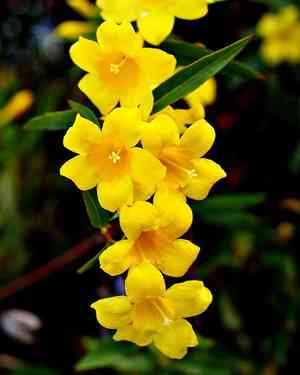
1
Carolina jasmine thrives with fertilization in early spring, promoting strong development.
2
A 10-10-10 N-P-K balance is perfect for Carolina jasmine.
3
Too much fertilizer can cause abundant leaf growth, reducing blooms.
Understanding the Nutritional Needs of Carolina jasmine
Overview of Essential Nutrients
Like all plants, Carolina jasmine needs various vital nutrients to flourish. Key nutrients include nitrogen (N) for healthy leaf and stem growth; phosphorus (P) for root development and flower production; and potassium (K) for overall plant health and disease resistance. A balanced intake of these macronutrients ensures vigorous growth and beautiful blooms.
Signs of Nutrient Deficiency
It's crucial to identify nutrient deficiency symptoms in Carolina jasmine quickly. Yellowing leaves can signal a lack of nitrogen, while stunted growth and poor flowering might indicate phosphorus deficiency. Potassium deficiency often appears as browning or curling leaf edges. If you observe these signs, your plant likely needs a nutrient boost.
Ideal Soil Conditions for Nutrient Absorption
For effective nutrient uptake, Carolina jasmine requires well-draining soil with a slightly acidic pH, ideally between 5.5 and 6.5. Enhancing soil structure with organic matter like compost can boost nutrient availability. Regular soil testing helps monitor pH and nutrient content, ensuring optimal conditions for your plant.
Choosing the Right Fertilizer for Carolina jasmine
Types of Fertilizers: Organic vs. Synthetic
When fertilizing Carolina jasmine, you can select between organic and synthetic options. Organic fertilizers, such as compost or fish emulsion, improve soil health over time and release nutrients slowly. Synthetic fertilizers, conversely, provide a quick and immediate nutrient boost. Your choice depends on your gardening goals; organic options support long-term soil health, while synthetic ones offer faster growth.
N-P-K Ratio Explained
Fertilizers typically display an N-P-K ratio on their packaging, indicating the proportions of nitrogen (N), phosphorus (P), and potassium (K). For Carolina jasmine, a balanced 10-10-10 ratio works well, supplying equal parts of these essential nutrients. This balanced ratio supports the plant's overall growth, flowering, and health.
Seasonal Fertilization Tips
The best time to fertilize Carolina jasmine is in early spring, as the growing season begins. Applying a balanced fertilizer then prepares the plant for robust growth throughout the season. A second, lighter application in midsummer can maintain nutrient levels. Avoid fertilizing in late fall or winter when the plant is dormant and won't use nutrients effectively.
Fertilization Techniques for Carolina jasmine
How to Apply Fertilizer Effectively
To effectively apply fertilizer to Carolina jasmine, spread it evenly around the plant's base, avoiding direct contact with the stem to prevent burning. Water the area thoroughly after application to help nutrients penetrate the soil. For liquid fertilizers, follow the manufacturer's instructions for dilution and application.
Frequency and Timing of Fertilization
Fertilization frequency depends on the fertilizer type and your Carolina jasmine's specific needs. Generally, a balanced fertilizer applied in early spring is often sufficient. If nutrient deficiency signs appear, a midsummer application might be necessary. Always follow package guidelines to prevent over-fertilization.
Monitoring Plant Health After Fertilization
After fertilizing, observe your Carolina jasmine closely. Look for signs of improved growth, such as new leaves and flowers. If the plant doesn't improve or appears stressed, re-evaluate your fertilization routine. Sometimes, environmental factors like improper watering or unsuitable soil conditions, rather than nutrient deficiencies, are the true issues.
Common Mistakes When Fertilizing Carolina jasmine
Over-Fertilization and Its Impact
A common error is over-fertilization. Excessive nutrients, especially nitrogen, can lead to abundant foliage at the expense of blooms. Over-fertilization can also cause nutrient runoff and environmental harm. Always adhere to recommended amounts on the fertilizer packaging and be cautious.
Ignoring Soil pH and Its Effects on Nutrient Availability
Neglecting soil pH can hinder your Carolina jasmine's nutrient absorption. Even with ample nutrients, an incorrect pH level can make essential elements unavailable to the plant. Testing and adjusting soil pH is an often-overlooked but crucial step for successful fertilization.
Neglecting to Adjust Fertilization Based on Plant Age and Health
Young and mature Carolina jasmine plants have different nutritional requirements. Younger plants may need more frequent but lighter feedings, while established plants might thrive with less frequent, more substantial applications. Additionally, stressed or diseased plants may require a customized fertilization approach to aid recovery without causing further stress.



