Optimal Fertilizer for Growing Rose of sharon: What You Need to Know
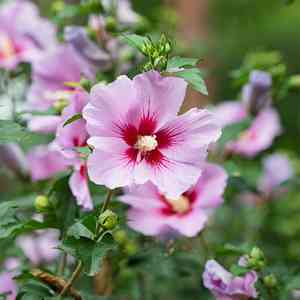
1
The Rose of sharon thrives with a balanced plant food given in the initial to middle part of spring.
2
For an eco-friendly way to nourish your Rose of sharon, consider using organic options such as compost.
3
Too much fertilizer can result in abundant leaves but fewer blooms, emphasizing the importance of moderation.
Deciphering the Nutritional Requirements of Rose of Sharon
Crucial Nutrients for Robust Development
For vigorous growth, Rose of Sharon requires a balanced blend of primary nutrients—nitrogen (N), phosphorus (P), and potassium (K). Nitrogen supports healthy foliage and stem growth, phosphorus enhances root development and blooming, and potassium is essential for overall plant vitality and disease resistance. Additionally, trace elements like iron, magnesium, and manganese, though needed in smaller quantities, play key roles in enzymatic processes and chlorophyll synthesis.
Indicators of Nutritional Deficiencies
Recognizing nutrient deficiencies promptly can safeguard your Rose of Sharon. Common signs include yellowed leaves, stunted development, diminished flower production, and leaf shedding. Nitrogen scarcity often manifests as yellowing of older leaves, while a lack of phosphorus can result in dark, purplish foliage. Detecting these symptoms early can help you modify your feeding schedule and prevent lasting damage.
Selecting the Appropriate Fertilizer for Rose of Sharon
Fertilizer Varieties: Organic versus Synthetic
Both natural and artificial fertilizers possess advantages and disadvantages. Organic fertilizers, such as compost, bone meal, and fish emulsion, release nutrients gradually and improve soil health over time, making them suitable for Rose of Sharon. Synthetic fertilizers, conversely, offer immediate nutrient availability and are often more convenient. However, they can cause nutrient burn if applied excessively. Choosing the correct type depends on your gardening philosophy and immediate plant demands.
Analyzing NPK Ratios for Bloom-Producing Shrubs
Understanding the NPK ratio is vital for choosing the optimal fertilizer for Rose of Sharon. Typically, a balanced fertilizer with a 10-10-10 NPK ratio delivers a good nutrient mix. For flowering shrubs, you might consider a fertilizer with elevated phosphorus content, like 5-10-5, to encourage blooming. Always consult package instructions to ensure you are providing your plant with the correct nutrients in appropriate amounts.
Optimal Practices for Fertilizing Rose of Sharon
Seasonal Fertilization Recommendations
Spring is the prime time to fertilize Rose of Sharon. Applying fertilizer in early to mid-spring, prior to the onset of new growth, helps to jumpstart the plant’s development. A subsequent, lighter application in mid-summer can support continuous flowering. Avoid fertilizing too late in the season as this can disrupt the plant’s natural dormancy cycle.
Proper Fertilizer Application Techniques
Correct fertilizer application ensures your Rose of Sharon receives maximum benefit without harm. For granular fertilizers, scatter the recommended quantity evenly around the plant's base and lightly incorporate it into the soil. Water thoroughly to aid fertilizer dissolution and absorption by the roots. For liquid fertilizers, dilute as per package directions and apply directly to the soil or as a foliar spray.
Preventing Excessive Fertilization: Strategies and Advice
It's easy to assume more fertilizer equates to better growth, but over-fertilization can harm Rose of Sharon. Excessive nutrients can lead to lush foliage at the expense of flowers and even scorch the plant’s roots. Always adhere to the recommended application rates and timing. Utilizing a slow-release fertilizer can assist in managing nutrient delivery more effectively, thus reducing the risk of over-application.
Monitoring Rose of Sharon After Feeding
Observing Post-Fertilization Growth and Vigor
Following fertilization, closely observe your Rose of Sharon to assess its reaction. Healthy, vibrant leaves and abundant flower production indicate the plant is receiving adequate nourishment. Conversely, yellowing leaves, poor growth, or reduced flowering may signal an issue with your feeding regimen or other environmental elements.
Adjusting Fertilization Strategies Based on Plant Response
Your Rose of Sharon may necessitate adjustments to its care routine depending on its development. If growth is robust but flowers are sparse, reduce nitrogen-rich fertilizers and opt for a higher phosphorus content. If the plant appears stressed or displays signs of nutrient deficiency, consider conducting a soil analysis to customize your fertilization plan. Remember, fertilization requirements can change with plant maturity and environmental conditions.



