Optimal Fertilizer for Growing Spanish bluebell: What You Need to Know
1
For optimal outcomes, fertilize Spanish bluebell bulbs in early spring.
2
Using organic fertilizers can enhance soil quality and provide nutrients to your Spanish bluebell.
3
Excessive fertilization may cause root damage and negatively impact plant vitality, thus always adhere to suggested instructions.
Understanding the Nutritional Needs of Spanish bluebell
Importance of Fertilization for Spanish bluebell
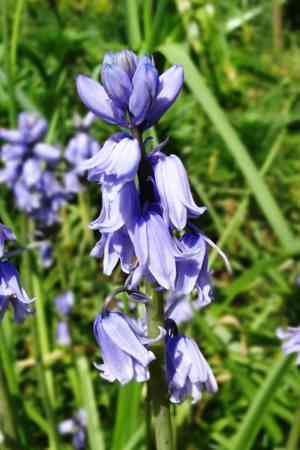
Fertilizing is crucial for the vigorous development of Spanish bluebell (Hyacinthoides hispanica). This plant, known for its striking bell-shaped blooms, greatly benefits from appropriate nutrient levels. Regular fertilization ensures the plant accesses vital nutrients that might be scarce in the soil. By comprehending and meeting its nutritional demands, you can foster more robust flowers and a healthier plant overall.
Key Nutrients Required by Spanish bluebell
Like most flowering species, Spanish bluebell needs a balanced mix of essential nutrients to flourish. The primary nutrients include nitrogen (N), phosphorus (P), and potassium (K) â often indicated as NPK on fertilizer labels. Nitrogen promotes foliage growth, phosphorus is vital for root development and blooming, and potassium aids in general plant health and disease resistance. Additionally, secondary nutrients like calcium, magnesium, and sulfur are also important, though needed in smaller quantities.
Signs of Nutritional Deficiency in Spanish bluebell
Nutrient deficiencies can appear in various ways in Spanish bluebell. Common indicators to observe include yellowing leaves (chlorosis), stunted growth, reduced flowering, or poor root development. If you notice these symptoms, it might signal a lack of essential nutrients, suggesting it's time to adjust your fertilization practices. Monitoring your plants for these signs can help address issues before they significantly impact plant vitality.
Choosing the Right Fertilizer for Spanish bluebell
Types of Fertilizers Suitable for Spanish bluebell
When selecting a fertilizer for Spanish bluebell, consider both its type and formulation. Granular, slow-release fertilizers are often ideal as they provide a consistent supply of nutrients over time. Liquid fertilizers can offer a rapid nutrient boost, but they require more frequent applications. Balanced fertilizers with an even NPK ratio, such as 10-10-10, are typically appropriate for Spanish bluebell. This ensures an even distribution of essential nutrients needed for balanced development.
Organic vs. Chemical Fertilizers: Pros and Cons
Organic fertilizers, such as compost, manure, or bone meal, offer long-term advantages by enhancing soil health and structure. They release nutrients gradually and encourage beneficial microbial activity. Chemical fertilizers, conversely, provide immediate nutrient availability, which can be useful for quickly correcting deficiencies. However, they can sometimes lead to salt accumulation in the soil and do not improve soil health over time. The choice depends on your gardening objectives and soil condition.
How to Select a Fertilizer Based on Soil Type
The soil type where your Spanish bluebell grows can significantly impact your fertilizer choice. Sandy soils, which drain quickly, may benefit from slow-release or granular fertilizers to ensure nutrients are available for an extended period. Conversely, clay soils retain nutrients longer, so a balanced, all-purpose fertilizer applied less frequently can be effective. Conducting a soil test can help identify specific nutrient shortages and pH levels, allowing you to customize your fertilization strategy accordingly.
Best Practices for Fertilizing Spanish bluebell
When to Fertilize Spanish bluebell
Spring is the best season to fertilize Spanish bluebell. As the plants emerge from dormancy, they need a nutrient boost to support new growth and flowering. Early spring application ensures nutrients are readily available during the critical growth phase. Additionally, applying a light dose of fertilizer in early autumn can help strengthen the bulbs for the upcoming winter.
Proper Application Techniques
Correct fertilizer application ensures nutrients efficiently reach the plant roots. For granular fertilizers, sprinkle them evenly around the plant's base, avoiding direct contact with stems or foliage, and gently work them into the topsoil layer. For liquid fertilizers, follow the dilution instructions on the packaging and apply the solution directly to the soil around the plant. Watering after application helps the fertilizer penetrate deeper into the root zone.
Monitoring Spanish bluebell After Fertilization
After fertilizing your Spanish bluebell, it's important to observe the plants for any response to the nutrients. Look for signs of improved growth, vibrant foliage, and healthy flower development. Conversely, watch for any adverse reactions such as leaf burn or wilting, which could indicate over-fertilization or incorrect application. Regularly assessing the plants' health helps ensure your fertilization practices are effective and allows you to make adjustments as needed.
Common Mistakes to Avoid When Fertilizing Spanish bluebell
Overfertilization Hazards
Over-fertilizing is a common error that can lead to serious problems like root burn, reduced flowering, and even plant death. Always adhere to the recommended rates on the fertilizer package and opt for a 'less is more' approach, especially with chemical fertilizers. It's also beneficial to divide the total recommended amount into several smaller applications throughout the growing season.
Ignoring the pH Levels of Soil
Spanish bluebell prefers slightly acidic to neutral soil pH (around 6.0 to 7.0). Disregarding soil pH can lead to nutrient lockout, where essential nutrients are present but inaccessible to the plant. Regularly testing your soil's pH and amending it with lime (to raise pH) or sulfur (to lower pH) helps create optimal conditions for nutrient absorption and overall plant health.
Neglecting Environmental Factors
Environmental factors such as light, temperature, and moisture levels play a critical role in fertilization effectiveness. Ensure your Spanish bluebell receives adequate sunlight and is planted in well-draining soil. Overwatering or poor drainage can wash away nutrients before absorption, while insufficient watering can prevent nutrients from dissolving properly in the soil. Balancing these factors helps maximize the benefits of your fertilization efforts.



