Optimal Fertilizer for Growing Polka dot plant: What You Need to Know
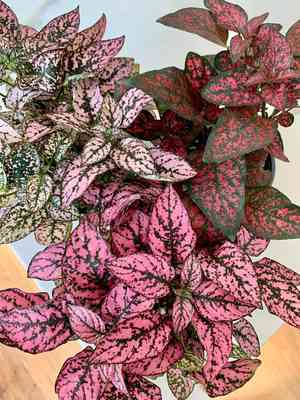
1
Polka dot plants benefit from fertilization during their peak growth period in warmer months.
2
Liquid feeds provide rapid nutrient delivery and are convenient for houseplants.
3
Excessive fertilization may cause leaf scorching and hinder the Polka dot plant's development.
Understanding Nutrient Requirements for Polka dot plant
Role of Nutrients in Plant Vitality
Plants require various nutrients for robust and healthy development, and the Polka dot plant is no exception. Key elements include nitrogen (N), vital for foliage growth; phosphorus (P), supporting root formation and blooming; and potassium (K), aiding overall plant health and disease resistance. Micronutrients like calcium, magnesium, and iron also play significant roles, though needed in smaller quantities.
Specific Needs of Polka dot plant
The Polka dot plant thrives with a balanced fertilizer. A suitable choice is a 10-10-10 (N-P-K) formula. These ratios ensure the plant receives equal parts of its most essential macronutrients. These plants are moderate feeders; excessive or insufficient feeding can be equally detrimental. Adhering to specific instructions based on plant size and fertilizer type is important.
Selecting the Appropriate Fertilizer
Fertilizer Types: Liquids, Granules, and Spikes
When choosing a fertilizer for your Polka dot plant, several options exist. Liquid fertilizers are convenient for indoor plants, easily mixed with water for direct application. Granular fertilizers release nutrients slowly but can be challenging to measure precisely. Fertilizer spikes offer ease of use but may provide uneven distribution. Each type has pros and cons, so the choice depends on your specific care routine and environment.
Interpreting Fertilizer Labels for Polka dot plant
Understanding fertilizer labels is vital for your Polka dot plant's well-being. Labels typically show three numbers representing nitrogen, phosphorus, and potassium content (e.g., 10-10-10). For Polka dot plants, a balanced formula, such as 10-10-10, is generally ideal. Look for additional information indicating micronutrients like calcium and magnesium, which can also benefit your plant.
Optimal Fertilization Schedule for Polka dot plant
Fertilization Frequency
The Polka dot plant should be fertilized every 2-4 weeks during its active growth period, typically in summer. Consistent feeding supports its rapid growth and vibrant leaves. Always refer to the specific guidelines on the fertilizer packaging and adjust if you observe any signs of nutrient imbalance.
Best Seasons for Fertilization
Summer is the prime time to fertilize your Polka dot plant as it's actively growing. This seasonal approach ensures the plant receives necessary nutrients when it can best utilize them. Avoid fertilizing in winter when the plant's growth generally slows down.
Correct Application Methods
How to Apply Fertilizer Without Harming Your Plant
Proper application techniques are crucial to prevent damage to your Polka dot plant. When using liquid fertilizer, dilute it to the recommended strength before applying it evenly around the plant's base. For granular types, spread them uniformly across the soil surface, avoiding contact with the stem. Water the soil thoroughly after applying any fertilizer to help nutrients reach the root zone.
Avoiding Common Errors
Frequent mistakes in fertilizing Polka dot plants include over-fertilizing, which can cause leaf burn, and applying fertilizer directly to dry soil, which can also harm roots. Always water the plant before and after fertilizing, and adhere to recommended amounts to prevent nutrient toxicity issues.
Monitoring and Adjusting Fertilization
Signs of Excessive and Insufficient Fertilization
Signs of over-fertilization in a Polka dot plant include yellowing leaves, scorched foliage, and stunted growth. Under-fertilization signs may be less obvious but include slow development and pale leaf coloration. It's crucial to observe these symptoms and modify your fertilizing schedule accordingly.
When to Modify Your Fertilization Strategy
Adjust your fertilizing approach based on your Polka dot plant's growth stage and health. If you notice signs of either over or under-fertilization, re-evaluate your method. Sometimes flushing the soil with plain water can help rebalance nutrient levels. Always observe your plant's response after adjusting your fertilization routine to ensure its continued health.



