Optimal Fertilizer for Growing Yellow flag: What You Need to Know
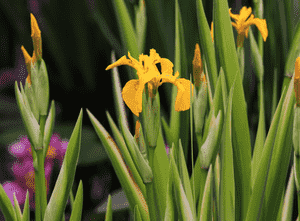
1
Yellow flag flourishes in a range of soil moisture, from damp to arid, making it adaptable to different garden environments.
2
Excessive nutrient application can result in abundant foliage growth instead of blossoms, so moderation is important.
3
The optimal period to nourish Yellow flag is in early spring prior to the onset of flowering.
Deciphering Yellow flag's Nutritional Requirements
The Significance of a Balanced Nutrient Profile
To ensure Yellow flag maintains its lush appearance and vibrant yellow flowers, providing the correct equilibrium of nutrients is vital. This plant requires a good blend of nitrogen, phosphorus, and potassium. Nitrogen promotes foliage development, phosphorus aids root growth and blooming, and potassium strengthens the plant's overall vigor. A well-balanced fertilizer prevents shortages or excesses of these critical nutrients, which could otherwise impede the plant's development.
Indicators Your Yellow flag Requires Feeding
It's crucial to identify when your Yellow flag needs additional nutrients. Symptoms of nutritional deficiency include yellowed leaves, stunted development, and reduced flower production. If these signs appear, it might be time to nourish your plant. However, always rule out other issues like pests or diseases before attributing the problem to nutrient deficiency.
Selecting the Appropriate Fertilizer for Yellow flag
Man-made vs. Natural Fertilizers
Both synthetic and organic fertilizers offer advantages and disadvantages for Yellow flag. Synthetic options deliver nutrients rapidly, which can be useful for a quick nutrient boost. Yet, they can also cause nutrient runoff and soil imbalance if not used carefully. Organic fertilizers, conversely, release nutrients gradually and enhance soil structure over time. They are generally safer for the environment but may take longer to show noticeable effects.
Recommended Nutrient Blend
The ideal fertilizer for Yellow flag features a balanced composition, such as a 10-10-10 (NPK) formula, indicating equal parts nitrogen, phosphorus, and potassium. This balance supports all aspects of the plant's growth. Depending on your soil's specific nutrient profile, you might choose a fertilizer with slightly higher phosphorus if flowering is consistently poor.
Optimal Fertilization Period for Yellow flag
Seasonal Fertilization Advice
Spring is the best season to fertilize Yellow flag. Applying fertilizer in early spring provides essential nutrients just before the plant's active growth and blooming phase. Avoid fertilizing late in the year, as new growth stimulated by late-season feeding can suffer frost damage.
Application Frequency
For optimal outcomes, fertilize your Yellow flag once annually during early spring. This yearly application is typically sufficient to sustain healthy growth and vibrant blooms. If your soil is particularly poor or you observe signs of nutrient deficiency, a second, lighter application in mid-summer could be beneficial.
How to Fertilize Yellow flag
Step-by-Step Application Instructions
Prepare the Soil: Gently loosen the soil around the plant's base to improve fertilizer absorption.Measure the Fertilizer: Dispense the recommended amount based on the product's guidelines.Application: Evenly scatter the fertilizer around the plant's base, avoiding direct contact with leaves and stems.Watering: Thoroughly water the plant after applying fertilizer to help it reach the root zone.Following these steps ensures proper nutrient uptake by the soil and availability to the roots.
Common Errors to Avoid
Over-fertilizing: Excessive fertilizer can cause nutrient burn and hinder blooming.Fertilizing at the Wrong Time: Refrain from late-season fertilizing to prevent frost damage to new growth.Ignoring Soil pH: Ensure your soil pH is between 5.5 and 7.5 to maximize nutrient availability.Inadequate Watering: Always irrigate the plant after fertilizing to help dissolve and distribute the nutrients.



