Optimal Fertilizer for Growing Common jasmine: What You Need to Know
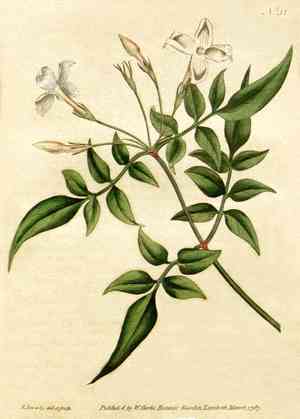
1
Common jasmine flourishes with fertilization in early spring, right before its active growth period commences.
2
Refrain from applying high-nitrogen fertilizers to Common jasmine, as these can promote foliage development over bloom production.
3
Consistently monitor the soil's pH and nutrient content to guarantee your Common jasmine receives adequate nourishment.
Understanding Fertilizer Needs of Common jasmine
Importance of Proper Fertilization
Adequate nutrient supply is crucial for the vigorous growth and abundant flowering of Common jasmine. This delightful, aromatic plant needs a balanced nutrient profile to flourish. A well-fed jasmine will yield numerous blossoms, which is the main appeal for most gardeners. Without sufficient sustenance, you'll observe fewer flowers, weaker stems, and an overall less robust plant.
Types of Nutrients Required
Common jasmine necessitates an even blend of primary nutrients: nitrogen (N), phosphorus (P), and potassium (K). Nitrogen supports the development of luxuriant, green foliage. Phosphorus is essential for root growth and bloom production, while potassium assists the plant in resisting stress, diseases, and harsh weather. Micronutrients like iron, magnesium, and calcium also contribute to the jasmine's general well-being.
Assessing Soil Nutrient Levels
Before any fertilizer application, it's vital to know your soil's current nutrient composition. A straightforward soil test kit offers valuable insights into the pH and nutrient content of your garden soil. The optimal soil pH for Common jasmine is slightly acidic to neutral, between 6.0 and 7.0. Soil testing allows you to customize your fertilizing strategy, ensuring your plant receives precisely what it requires without over-fertilization.
Choosing the Right Fertilizer for Common jasmine
Organic vs. Synthetic Fertilizers
Both natural and chemical fertilizers can benefit Common jasmine. Organic options, like compost and aged manure, enhance soil structure and provide a gradual nutrient release. They are also eco-friendly. Synthetic fertilizers, conversely, deliver a quicker nutrient boost but demand careful application to prevent excessive feeding. The choice often depends on individual preference and gardening methods.
Recommended NPK Ratio
For Common jasmine, a balanced fertilizer with an NPK ratio of 10-10-10 or 15-15-15 is typically advised. This even blend ensures your plant gets equal proportions of vital nutrients needed for overall development and flowering. However, if your jasmine is blooming slowly, you might consider a fertilizer richer in phosphorus, such as a 5-10-10 mix.
Slow-Release vs. Liquid Fertilizers
Both extended-release and soluble fertilizers have their merits. Slow-release fertilizers gradually provide nutrients over a longer duration, reducing the need for frequent applications. They can be mixed into the soil or applied as granules around the plant's base. Liquid fertilizers, however, offer a rapid nutrient boost and are perfect for an immediate supply of nutrients, especially during the active growing season. Depending on your needs and gardening schedule, you can select either or a combination of both.
How and When to Fertilize Common jasmine
Best Time of Year for Fertilization
The ideal period to fertilize Common jasmine is in early spring. This timing ensures the plant has all necessary nutrients available as it prepares for its active growth and flowering phase. A second application can be done in late spring or early summer, but avoid fertilizing in autumn or winter when the plant is dormant.
Steps for Applying Fertilizer
First, ensure the soil is damp but not saturated.Measure the recommended fertilizer amount, following product guidelines.Distribute the fertilizer evenly around the plant's base, avoiding direct contact with stems and leaves.Gently incorporate the fertilizer into the topsoil using a hand rake or garden fork.Water the plant thoroughly after application to help the fertilizer permeate the soil and reach the roots.
Monitoring Plant Response
After fertilizing, observe your Common jasmine to assess its reaction. Signs of positive effects include more vibrant leaves, an increased growth rate, and a greater number of blossoms. If you notice yellowing leaves or burnt edges, it might signal over-fertilization or improper application. Regularly check soil moisture and nutrient levels to adjust your feeding strategy as necessary.
Common Mistakes to Avoid While Fertilizing Common jasmine
Over-fertilizing and Its Impacts
Applying too much fertilizer is a frequent error that can harm your Common jasmine. Excessive fertilizer can cause nutrient burn, characterized by brown or scorched leaf edges, and can also heighten the risk of pest infestations. Surplus nutrients can accumulate in the soil, affecting its pH balance and overall health. Always adhere to the manufacturer's directions and opt for a balanced approach.
Incorrect Application Techniques
Improper application methods, such as applying fertilizer too close to the plant's stem or foliage, can result in burning and damage. It's also crucial to avoid fertilizing when the soil is dry, as this can lead to root burn. Instead, ensure the soil is moderately moist before and after applying fertilizer and spread it evenly around the plant's base.
Ignoring Environmental Factors
Environmental conditions, including temperature, sunlight, and soil composition, significantly impact fertilization efficacy. Overlooking these factors can lead to suboptimal outcomes. For instance, fertilizing during extreme heat or before heavy rainfall can wash away nutrients, reducing effectiveness. Similarly, different soil types (sandy, clay, etc.) may have varied nutrient retention capacities, so adjust your approach accordingly.



