Optimal Fertilizer for Growing Golden chain tree: What You Need to Know
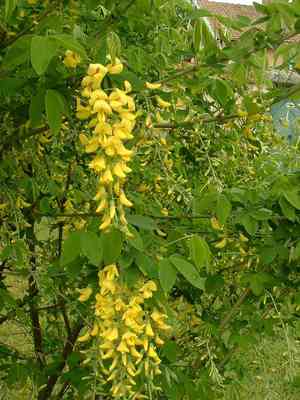
1
The Golden chain tree benefits most from nutrients in spring as it enters its primary growth period.
2
Utilizing a slow-release plant food can ensure a consistent nutrient supply, mitigating the chance of excessive feeding.
3
Refrain from applying fertilizer during severe weather to avoid putting strain on your Golden chain tree.
Understanding the Nutritional Requirements of Golden Chain Trees
The Role of Nutrients in Golden Chain Tree Development
Proper fertilization is crucial for the health and vigor of your Golden Chain Tree. Like all plant life, it needs a balanced intake of macro and micronutrients to flourish. Key nutrients such as nitrogen, phosphorus, and potassium support robust leaf growth, strong root systems, and abundant blooms. Without sufficient nourishment, your tree may experience stunted development, fewer flowers, and increased susceptibility to disease.
Recognizing Indicators of Nutrient Deficiencies
Identifying signs of nutrient scarcity can help you determine when your Golden Chain Tree requires feeding. Common indicators include yellowing foliage (chlorosis), restricted growth, and minimal flowering. A faded color or sparse leaves often suggest a nitrogen shortage. Conversely, insufficient phosphorus can lead to weak roots and dull blossoms. Regular inspection of your tree ensures its beauty and health are maintained.
Optimal Periods for Fertilization Throughout the Year
The ideal time to fertilize your Golden Chain Tree is during its active growing season, typically starting in the spring. Fertilizing in spring supplies the tree with essential nutrients needed for new growth and blooming. While less frequent, you can also fertilize in early summer if required. Avoid fertilizing in autumn or winter when the tree is dormant and nutrient absorption is minimal.
Selecting the Appropriate Fertilizer for Your Golden Chain Tree
Fertilizer Varieties Suitable for Golden Chain Trees
Fertilizers are available in various forms, each tailored to different requirements and preferences. Granular fertilizers are convenient and need less frequent application, whereas liquid fertilizers offer quick nutrient uptake but demand more regular use. Slow-release fertilizers are another great option, gradually providing nutrients over an extended period and reducing the risk of over-fertilization.
Organic Versus Synthetic Fertilizers: Which is Best?
The choice between organic and synthetic fertilizers depends on your gardening philosophy and specific needs. Organic fertilizers, such as compost or manure, enhance soil health and introduce beneficial microbes. They release nutrients slowly and are eco-friendly. Synthetic fertilizers, however, offer precise nutrient formulations and immediate results. They are readily available but can accumulate in the soil, potentially leading to runoff issues.
The Function of Micro and Macro Nutrients
Both macro and micronutrients are vital for the growth and well-being of your Golden Chain Tree. Macronutrients like nitrogen, phosphorus, and potassium are required in larger amounts. They support primary growth processes such as chlorophyll production, root development, and flowering. Micronutrients, including iron, manganese, and zinc, are needed in smaller quantities but are critical for enzyme functions and overall metabolic health. Ensure your fertilizer provides a balanced blend of these nutrients.
How to Apply Fertilizer to Golden Chain Trees
Step-by-Step Instructions for Fertilizing a Golden Chain Tree
Start by measuring the tree's drip line, which is the area directly beneath its outermost branches. This is where the feeding roots are located. Distribute the fertilizer evenly around the drip line, not directly at the trunk's base. For granular fertilizers, gently rake the soil to incorporate it, then water thoroughly to dissolve the granules and carry nutrients to the roots. For liquid fertilizers, follow the manufacturer's dilution and application rate instructions. Spray or pour the solution evenly around the tree's root zone.
Fertilizer Application Frequency and Amount
The frequency and quantity of fertilizer application depend on the type of fertilizer used. For slow-release fertilizers, a single application in spring might be enough. Granular fertilizers often require two applications per growing season: once in spring and again in early summer. Liquid fertilizers may need more frequent application, approximately every 4-6 weeks during the active growth period. Always adhere to recommended dosage instructions to prevent excessive fertilization.
Safety Precautions and Environmental Concerns
When applying fertilizer to your Golden Chain Tree, it's crucial to follow safety measures to safeguard both the environment and yourself. Wear gloves and protective eyewear to avoid contact with chemicals. Do not apply fertilizer during heavy rainfall, as this can cause runoff and contaminate nearby water sources. Furthermore, avoid applying fertilizer near streams, lakes, or other bodies of water. Compost or organic fertilizers are environmentally friendly options that lessen ecological impact.
Resolving Common Fertilization Issues in Golden Chain Trees
Addressing Over-Fertilization: Symptoms and Remedies
Excessive fertilization can result in symptoms such as leaf burn, wilting, and overly vigorous growth at the expense of blooming. To correct over-fertilization, drench the soil with ample water to help leach out surplus nutrients. In severe cases, repotting the tree or amending the soil may be necessary. Reduce fertilization frequency and switch to a balanced, slow-release formula to prevent recurrence.
Under-Fertilization and Its Correction
Under-fertilized Golden Chain Trees often show slow development, pale leaves, and poor flowering. To rectify under-fertilization, first test the soil to pinpoint specific nutrient deficits. Apply a balanced fertilizer formulated for flowering trees, concentrating on the deficient nutrients. Consistent application of the recommended fertilizer type and amount can restore your tree's health and vitality.



