Optimal Fertilizer for Growing Sweet pea: What You Need to Know
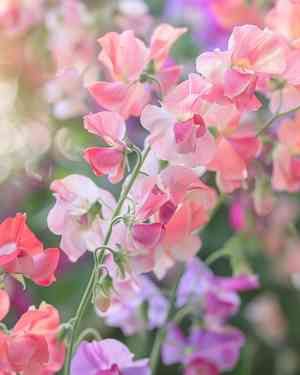
1
Sweet peas flourish when given a balanced 10-10-10 feed every few weeks during their active growth period.
2
Signs of inadequate nutrients in Sweet peas include curled leaves and sparse flowering.
3
Excessive fertilization in Sweet peas may result in abundant leafy growth but a reduction in flower production.
Understanding Fertilizer Needs for Sweet pea
Essential Nutrients for Thriving Sweet peas
For robust and vibrant Sweet peas, providing the correct nutrients is essential. Key elements include nitrogen (N), phosphorus (P), and potassium (K). Nitrogen promotes leafy growth and is crucial for a healthy green appearance. Phosphorus aids in strong root development and abundant flowering, particularly important for Sweet peas due to their valued blossoms. Potassium supports overall plant health, improving disease resistance and enhancing flower quality. A balanced fertilizer, such as a 10-10-10 mixture, effectively meets these requirements.
Signs of Nutritional Deficiencies
Identifying nutritional deficiencies early can prevent poor development and sparse blooms in your Sweet peas. Yellowing leaves frequently indicate a lack of nitrogen, which is vital for vigorous plant growth. If you observe limited flowering or small, scattered blossoms, this may be due to insufficient phosphorus. Potassium deficiency is often suggested by curling or brown-edged leaves. Consistent observation and prompt interventions are critical for maintaining plant health.
Impact of Over-Fertilization
While nurturing your Sweet peas is important, excessive fertilization presents its own challenges. Too much fertilizer, especially nitrogen, can lead to abundant leafy growth at the expense of flowers. This means you might end up with ample green foliage but very few of the delightful blooms that Sweet peas are cultivated for. Moreover, over-fertilization can cause nutrient imbalances in the soil and even damage plant roots, hindering their ability to absorb necessary nutrients. Therefore, moderation is key.
Choosing the Right Fertilizer for Sweet pea
Organic vs. Synthetic Fertilizers: Pros and Cons
The choice between organic and synthetic fertilizers can depend on several factors. Organic fertilizers, like compost or aged manure, naturally enrich the soil and improve its structure. They release nutrients slowly, offering long-term benefits but requiring more initial effort and space. Synthetic fertilizers, conversely, are convenient and provide an immediate nutrient boost, ideal for rapid results. However, they can sometimes cause soil acidification or harm beneficial soil organisms. Understanding these advantages and disadvantages will help you make an informed decision for your Sweet peas.
Top Recommended Fertilizer Types
For Sweet peas, a balanced 10-10-10 granular fertilizer is highly recommended. This ratio indicates equal parts of nitrogen, phosphorus, and potassium, perfectly suiting the plant's overall growth and flowering needs. Alternatively, you can use a slow-release fertilizer that provides a continuous supply of nutrients over time. Liquid fertilizers are also an option and can be added directly during watering for rapid nutrient absorption. Regardless of the type, always adhere to the application rates specified on the product label to avoid over-fertilization.
How and When to Fertilize Sweet pea
Best Time to Fertilize Sweet pea
Summer is the optimal period to fertilize Sweet peas, as this marks their peak growing season. Fertilize your plants when they are actively developing and producing flowers for best results. Start by applying fertilizer during planting, then continue at regular intervals—typically every 3-4 weeks throughout the summer. Consistent feeding during this time ensures that your Sweet peas have the essential nutrients to produce beautiful, fragrant blooms.
Step-by-Step Fertilizing Process
Begin by gently loosening the soil around your Sweet peas to enhance nutrient absorption. Spread the recommended amount of fertilizer evenly on the soil surface, being careful not to let it touch the plant stems directly, as this can cause burns. Water the plants thoroughly after fertilizing to help the nutrients permeate the soil. If using liquid fertilizer, dilute it according to instructions and apply directly to the soil. Repeating this process every few weeks will support continuous growth and flowering.
Frequency of Fertilization
Fertilizing Sweet peas every 3-4 weeks during their active growth period is generally sufficient. However, if you are utilizing a slow-release fertilizer, a single application at the beginning of the season might be adequate. Pay close attention to your plants—if they appear healthy and are blooming profusely, your fertilizing schedule is likely correct. Conversely, if growth is slow or blooms are scarce, you may need to adjust the frequency.
Maintaining Sweet pea Post-Fertilization
Monitoring Plant Health
Post-fertilization care is crucial to ensure that the nutrients are effectively supporting your Sweet peas. Regularly inspect your plants for any signs of stress or nutrient deficiencies, such as yellowing leaves or poor flowering. Maintaining optimal moisture levels is also important, as excessively dry or wet soil can hinder nutrient uptake. Proper support structures can help keep plants healthy and reduce stress, promoting better growth and blooming.
Adjusting Fertilization Based on Plant Response
Observe how your Sweet peas react to the fertilization. If you notice abundant foliage but few flowers, you might have excess nitrogen and should reduce the feeding frequency or select a fertilizer with lower nitrogen content. Similarly, if your plants appear stunted or have yellowing leaves, they might require more nutrients. Adjusting the type and amount of fertilizer used based on these visual indicators will help keep your Sweet peas in optimal condition throughout the growing season.



