Optimal Fertilizer for Growing Tulip poplar: What You Need to Know
1
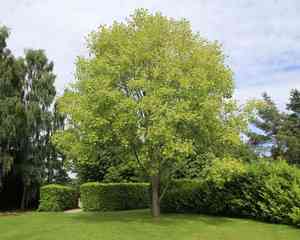
Tulip poplars grow quickly and can greatly benefit from a well-planned fertilization routine.
2
Refrain from fertilizing Tulip poplars in late summer or autumn to avoid new shoots that may not endure the winter.
3
Always give your Tulip poplar ample water before and after fertilizing to protect against root damage.
Understanding the Nutrient Requirements of Tulip Poplar
Why Nutrient Provision is Essential for Tulip Poplar
Providing nutrients is vital for maintaining the health and vigor of your Tulip poplar. These trees are known for their rapid development and impressive stature, reaching heights of up to 35 meters (115 feet). This vigorous growth necessitates a consistent supply of nutrients, which might not always be sufficiently present in the soil. Supplying nutrients to your Tulip poplar replenishes vital elements, supports root growth, enhances leaf density, and contributes to overall plant well-being, making your tree more resilient to illnesses and environmental stressors.
Key Nutrients Needed by Tulip Poplar
The primary nutrients crucial for Tulip poplars include nitrogen (N), phosphorus (P), and potassium (K). Nitrogen promotes leafy development and overall tree vitality, phosphorus is essential for robust root formation and blooming, and potassium aids in general functions, including disease resistance. Furthermore, micronutrients such as magnesium, iron, and manganese play supportive roles in various biochemical processes within the tree.
Selecting the Appropriate Fertilizer for Tulip Poplar
Fertilizer Types: Advantages and Disadvantages
When it comes to nourishing your Tulip poplar, several options are available, each with its distinct benefits and drawbacks. Granular fertilizers are popular due to their slow-release characteristics, making nutrients accessible over an extended period. Liquid fertilizers offer quick absorption and rapid effects but require more frequent applications. Spikes are convenient and reduce the risk of excessive fertilization, but they might not distribute nutrients uniformly around the root zone. Each fertilizer type should be chosen based on your tree's specific requirements and your maintenance preferences.
Natural vs. Chemical Fertilizers for Tulip Poplar
Deciding between organic and synthetic fertilizers involves considering various factors. Organic fertilizers, derived from natural sources like compost, manure, and bone meal, improve soil structure and microbial activity. They release nutrients slowly, reducing the risk of root burn. However, they may be less nutrient-dense compared to synthetic options. Synthetic fertilizers, on the other hand, offer precise nutrient formulations and swift results but can sometimes lead to soil degradation and environmental concerns with excessive use. Balancing organic and synthetic fertilizers often provides the best of both worlds for optimal tree health.
How to Apply Nutrients to Tulip Poplar
Step-by-Step Guide to Fertilizing Tulip Poplar
Nourishing your Tulip poplar can be straightforward by following these steps:Choose the correct fertilizer based on your soil test results.Measure the drip line of your tree, which is the area directly beneath the edge of the canopy.Apply granular fertilizer evenly beneath the drip line, using about 0.5 kg (1 lb) per 2.5 cm (1 inch) of trunk diameter.If using liquid fertilizer, dilute according to instructions and apply with a watering can or garden sprayer.Water the area thoroughly after application to help nutrients reach the root zone.
Optimal Time to Fertilize Tulip Poplar
The best time to fertilize your Tulip poplar is during early spring, just before new growth begins. This timing ensures that nutrients are available when the tree needs them most for its vigorous spring and summer development. Avoid late summer or fall fertilization, as it can promote new growth susceptible to winter damage. Regular, consistent fertilization during spring provides your Tulip poplar with the right start for healthy growth throughout the year.
Common Errors to Avoid When Fertilizing Tulip Poplar
Excessive Fertilization and Its Consequences
While the correct amount of fertilizer benefits your Tulip poplar, over-fertilization can be harmful. Symptoms of over-fertilization include leaf scorching, wilting, and increased susceptibility to pests and diseases. Excess nutrients can accumulate in the soil, leading to a toxic environment for roots. Avoid using too much fertilizer by following recommended guidelines and opting for slow-release formulations that minimize the risk of nutrient overload.
Ignoring Soil pH and Its Influence
The effectiveness of fertilizers is closely linked to the soil's pH level. Tulip poplars prefer slightly acidic to neutral soil (pH 5.0-7.0). If the pH is too high or too low, nutrient uptake can be impaired despite proper fertilization. Regularly test your soil's pH and adjust it using lime to raise pH or sulfur to lower it as needed. Maintaining the appropriate pH ensures your Tulip poplar can efficiently absorb the applied nutrients.
Monitoring the Health of Fertilized Tulip Poplar
Indicators of Successful Fertilization
After fertilizing your Tulip poplar, monitor its health for signs of successful nutrient absorption. Healthy leaves with vibrant, deep green color, steady growth of new shoots, and robust flowering are good indicators. Additionally, a well-fertilized Tulip poplar should display resistance to common pests and diseases, indicating it is receiving and utilizing nutrients effectively.
Adjusting Nutrient Practices Based on Tree Response
Not every Tulip poplar will respond to fertilization in the same way, so it's essential to adjust your practices based on tree feedback. If you notice signs of nutrient deficiencies, such as yellowing leaves or stunted growth, consider increasing the fertilizer frequency or switching formulations. Conversely, if the tree appears over-fertilized, reduce application rates and ensure proper watering practices. Adapting to your tree's needs promotes sustained health and growth.



