Optimal Fertilizer for Growing Wax mallow: What You Need to Know
1
Wax mallow thrives with a balanced 10-10-10 NPK feed, supporting general vigor and abundant flowers.
2
The best period to apply fertilizer to Wax mallow is in the summer, coinciding with its most active growth phase.
3
Checking soil pH levels helps maintain perfect conditions for nutrient absorption, with a slightly acidic to neutral range being most suitable.
Understanding the Nutritional Requirements of Wax Mallow
The Significance of Balanced Nutrients for Wax Mallow
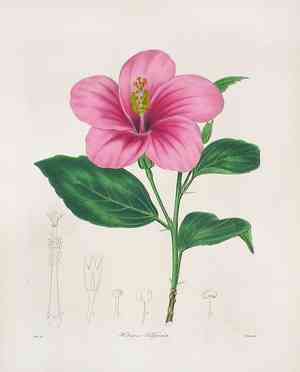
For Wax Mallow to flourish, maintaining an even nutrient profile is vital. The plant extracts three main macronutrients from the soil: Nitrogen (N), Phosphorus (P), and Potassium (K). Nitrogen promotes abundant leaf development, phosphorus aids in robust root systems and prolific blooming, while potassium ensures overall plant vitality and disease resistance. By upholding this nutrient equilibrium, you can guarantee your Wax Mallow remains healthy and continues to produce its characteristic bright, red blossoms throughout the growing season.
Recognizing Deficiency Symptoms in Wax Mallow
Understanding the indicators of nutrient shortages is crucial for prompt intervention and preventing potential harm to your Wax Mallow. Yellowing leaves often signal a nitrogen deficit, appearing as chlorosis. A lack of phosphorus can lead to dark, purplish or reddish discoloration at the leaf bases, and potassium deficiencies manifest as leaf edges turning yellow or brown. Regular inspection of your plant and soil can help you detect these early signs, enabling corrective actions to restore nutrient balance.
Selecting the Appropriate Fertilizer for Wax Mallow
Organic Versus Synthetic Fertilizers for Wax Mallow
Choosing between organic and synthetic fertilizers can significantly impact your Wax Mallow's well-being. Organic fertilizers, such as compost or worm castings, release nutrients gradually, enhancing soil structure and fostering beneficial microbial activity. Conversely, synthetic fertilizers provide immediate nutrient availability, which can be advantageous for quickly revitalizing a nutrient-deprived plant. Both types have their advantages and disadvantages, and a smart combination might offer a balanced strategy â ensuring your Wax Mallow receives both an initial boost and sustained nutrient support.
Recommended NPK Ratios for Wax Mallow
Choosing the correct NPK ratio is essential to meet Wax Mallow's specific requirements. A general-purpose balanced fertilizer with a 10-10-10 NPK ratio is typically effective, supplying equal amounts of vital nutrients. For more targeted growth, switching to a 5-10-5 formula during the flowering stage can encourage more blooms. Adjusting the NPK ratio based on the plant's developmental phase promotes optimal health and ensures your Wax Mallow thrives year-round.
How and When to Fertilize Wax Mallow
Optimal Practices for Fertilizing Wax Mallow
Properly fertilizing your Wax Mallow involves more than just selecting the right product. Water your plant thoroughly before applying fertilizer to prevent root burn. Distribute granules evenly around the base, avoiding direct contact with the stem, or use a diluted liquid solution as a foliar spray. Always adhere to the manufacturerâs recommended dosages to prevent over-fertilization, which can be harmful. Regularly monitor and adjust based on the plant's growth and health.
Seasonal Fertilization Advice for Wax Mallow
Summer is the primary fertilization period for Wax Mallow, as it coincides with their peak growth phase. Begin by applying a balanced fertilizer at the start of summer, followed by a more potassium-rich formula as blooming commences. One application every 4-6 weeks should suffice during the active growth period. Reduce frequency and switch to a 0-10-10 formula as the plant begins to slow down towards the end of summer, allowing it to prepare for winter.
Monitoring the Effects of Fertilization on Wax Mallow
Assessing Plant Health After Fertilization
Following fertilization, observe your Wax Mallow closely to ensure it is responding favorably. Look for an overall green and vibrant appearance and healthy new growth. Check soil moisture and modify watering schedules as fertilization can influence water absorption. A significant increase in flowering and foliage growth usually indicates that the plant is well-nourished. Conversely, if you notice yellowing, wilting, or no improvement, it may be a sign to re-evaluate your fertilization strategy.
Adjusting Fertilization Methods Based on Growth and Bloom
Frequent assessment and modification of your fertilization techniques can optimize your Wax Mallow's growth and flowering cycles. If you observe leggy growth, it may signal a need to decrease nitrogen levels and increase phosphorus and potassium intake. For a more abundant bloom season, ensure your fertilization routine emphasizes potassium from late spring onward. Continuous minor adjustments based on the plant's performance will lead to consistently optimal growth.



