Optimal Fertilizer for Growing Wild bergamot: What You Need to Know
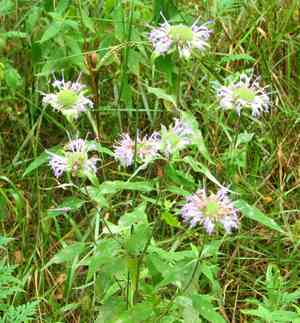
1
Monarda fistulosa flourishes in soil that drains effectively and can withstand periods of dryness after it has rooted.
2
Apply a balanced fertilizer blend, like 10-10-10, to promote robust development and vivid flowers.
3
Nourish your Wild bergamot in the early spring to supply the necessary nutrients for its active growth period.
Understanding the Nutritional Needs of Wild bergamot
Essential Nutrients for Wild bergamot
To cultivate a thriving Wild bergamot (Monarda fistulosa) plant, it is crucial to understand its nutritional requirements. This perennial herb benefits from a well-balanced supply of nutrients, which are typically categorized into three main groups: macronutrients, secondary nutrients, and micronutrients.Macronutrients:These include nitrogen (N), phosphorus (P), and potassium (K) - all vital for the plant's overall health and development. Nitrogen promotes foliage growth, phosphorus supports root development and flowering, and potassium enhances disease resistance and overall vigor.Secondary Nutrients:Calcium (Ca), magnesium (Mg), and sulfur (S) are essential for various physiological processes. Calcium strengthens cell walls, magnesium is a key component of chlorophyll, and sulfur is important for protein synthesis.Micronutrients:Although needed in smaller quantities, micronutrients such as iron (Fe), manganese (Mn), zinc (Zn), copper (Cu), molybdenum (Mo), and boron (B) are critical for healthy plant growth and development.
Signs of Nutrient Deficiency
Wild bergamot will show clear signs if it is not getting the nutrients it needs. Knowing the indicators of nutrient deficiency can help you take corrective action before the plant suffers significantly.Nitrogen Deficiency:Results in yellowing leaves, stunted growth, and poor vigor.Phosphorus Deficiency:Leads to slow growth and a purplish tint to leaves, particularly on the undersides.Potassium Deficiency:Causes leaf edges to appear burned or scorched, and older leaves may yellow and die off prematurely.Micronutrient Deficiencies:Often manifest as chlorosis (yellowing of leaves), leaf tip burn, or distorted new growth. Iron deficiency, for instance, can cause leaves to become pale while the veins remain green.
Choosing the Right Fertilizer for Wild bergamot
Organic vs. Synthetic Fertilizers
When selecting a fertilizer for your Wild bergamot, it's important to weigh the benefits and drawbacks of organic versus synthetic options.Organic Fertilizers:Derived from natural sources such as compost, manure, and bone meal, these fertilizers improve soil structure and increase microbial activity. They release nutrients slowly, providing long-term benefits. However, they can be less consistent in nutrient content.Synthetic Fertilizers:Manufactured from chemical compounds, synthetic fertilizers offer precise nutrient ratios and immediate availability. They are convenient and efficient but may lead to nutrient runoff and potentially harm beneficial soil organisms.
Recommended NPK Ratio
For Wild bergamot, a balanced fertilizer with an NPK ratio of 10-10-10 is ideal. This ratio ensures your plant receives an equal proportion of nitrogen, phosphorus, and potassium for comprehensive health and development. Nitrogen supports lush foliage, phosphorus encourages strong root systems and flowering, and potassium boosts the overall resilience of the plant.Applying a balanced fertilizer in early spring will ensure that your Wild bergamot has a good start for the growing season, providing it with the essential nutrients it needs to thrive.
Best Practices for Fertilizing Wild bergamot
When to Fertilize Wild bergamot
Timely fertilization is key to ensuring robust growth and vibrant blooms in your Wild bergamot. The ideal time to fertilize is in early spring, just as new growth begins to emerge. This timing aligns with the plant's natural growth cycle, allowing it to utilize the nutrients effectively for the upcoming growing season.
How to Apply Fertilizer
Proper fertilizer application techniques can significantly impact the effectiveness of the nutrients provided.Measure Carefully:Follow the instructions on the fertilizer package to determine the appropriate amount. Applying too much can cause nutrient burn, while too little wonât provide sufficient nourishment.Even Distribution:Sprinkle the fertilizer evenly around the base of the plant, avoiding direct contact with the stem to prevent burning.Water Thoroughly:After applying the fertilizer, water the plant well to help the nutrients seep into the soil and reach the root zone.
Monitoring Plant Response
After fertilizing, it's essential to monitor your Wild bergamot to ensure it responds well to the nutrients provided. Look for signs of vigorous growth, such as healthy, green foliage and the development of new shoots and blooms. If you notice any adverse reactions, such as leaf burn or discoloration, it may indicate over-fertilization, prompting immediate corrective actions.
Avoiding Common Fertilization Mistakes
Over-fertilization Symptoms
Over-fertilization can cause more harm than good to your Wild bergamot. Symptoms of over-fertilization include leaf tip burn, yellowing of leaves, and stunted growth. Excess salts from fertilizers can build up in the soil, leading to root damage and reduced water uptake. Always follow the recommended application rates to avoid these issues.
Correcting Fertilization Errors
If you suspect that your Wild bergamot has been over-fertilized, there are steps you can take to mitigate the damage.Water Thoroughly:Leach excess salts from the soil by watering deeply and frequently.Remove Damaged Foliage:Trim away any burnt or yellowing leaves to help the plant focus its energy on healthy growth.Adjust Future Applications:Learn from the experience and adjust your future fertilization practices to avoid over-applying nutrients.



