Optimal Fertilizer for Growing Common myrtle: What You Need to Know
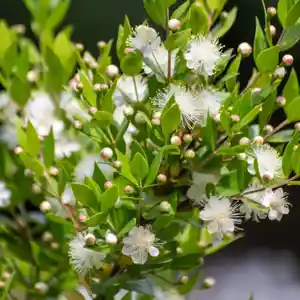
1
Myrtle flourishes in soil that drains efficiently and is moderately fertile. Regular, yet moderate, feeding significantly boosts its growth and flower production.
2
Following fertilizer application, always give your Common myrtle a thorough watering to help the nutrients penetrate deeply to the roots.
3
While liquid feeds provide an immediate nutrient surge, they typically require more frequent application than their granular counterparts.
Deciphering Common Myrtle's Nutritional Requirements
Recognizing Malnutrition Symptoms in Common Myrtle
It's crucial to identify when your Common myrtle requires additional nutrients. Typical indicators of nutrient deficiency include yellowing foliage, stunted development, and a lack of new blossoms. Yellow leaves often signal a nitrogen shortage, while slow growth might suggest insufficient phosphorus. Furthermore, if leaves appear pale or their edges curl, this could point to a potassium deficiency. Regular plant inspection aids in early detection and prompt nutrient replenishment.
Key Nutrients Essential for Common Myrtle's Health
Common myrtle necessitates a balanced blend of macronutrients and micronutrients to flourish. Primary macronutrients consist of nitrogen (N) for leaf expansion, phosphorus (P) for root development, and potassium (K) for general vigor and stress resilience. Micronutrients such as iron, magnesium, and manganese are also vital, though required in smaller quantities. Ensuring your fertilizer has a balanced N-P-K ratio, alongside these trace elements, will foster robust growth and abundant blooms.
Selecting Appropriate Fertilizer for Common Myrtle
Comparing Organic vs. Synthetic Fertilizers
Organic fertilizers, like compost, manure, and bone meal, offer a gradual release of nutrients and enhance soil structure. They are eco-friendly and minimize the risk of over-fertilization. Conversely, synthetic fertilizers provide a rapid nutrient boost and are often more concentrated. However, they pose a greater risk of runoff and potential root damage if misapplied. For Common myrtle, a blend of organic and synthetic fertilizers typically yields superior outcomes, delivering immediate nutrition and long-term soil health benefits.
Optimal Fertilization Period for Common Myrtle
Spring marks the ideal time to fertilize your Common myrtle, coinciding with the onset of its active growth phase. Applying fertilizer in early spring provides the plant with a nutritional boost precisely when it needs to produce new foliage and flowers. Refrain from fertilizing during late fall and winter, as the plant's growth slows considerably, and nutrients may not be efficiently utilized.
Post-Fertilization Care for Common Myrtle
Monitoring Growth and Health Adjustments
Following fertilization, closely observe your Common myrtle for any alterations in growth patterns or overall well-being. Look for new leaf and flower production, vibrant coloration, and sturdy stems as indicators of successful fertilization. If you notice issues such as leaf discoloration or poor growth, it may be necessary to modify your fertilization routine or investigate other potential problems like pests or diseases.
Guidelines for Adjusting or Discontinuing Fertilization
As the growing season progresses into late summer, gradually decrease fertilization frequency to prepare the plant for its winter dormancy. You should cease fertilizing entirely as fall approaches to prevent encouraging new growth that is susceptible to frost. If your Common myrtle exhibits signs of nutrient excess, such as burnt leaf tips or overly rapid growth, re-evaluate your fertilization schedule or consider switching to a gentler, organic fertilizer.



